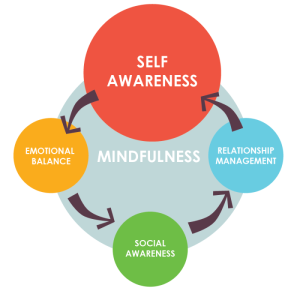
Proper nutrition for building muscle and strength is crucial for achieving fitness goals and maximizing performance. This guide delves into the key aspects of nutrition, mental wellness, physical fitness, hydration, exercise, lifestyle choices, nutrient-rich foods, stress management, preventive care, and more to help you on your journey to a stronger, healthier body.
Balanced Diet
A balanced diet plays a crucial role in muscle and strength building. It provides the necessary nutrients to support muscle growth and overall physical performance. Key nutrients essential for muscle development include protein, carbohydrates, fats, vitamins, and minerals.
Macronutrients for Muscle Development
Protein: Protein is often referred to as the building block of muscles. It is essential for muscle repair and growth. Aim to include high-quality sources of protein such as lean meats, poultry, fish, eggs, dairy products, legumes, and nuts in your diet.Carbohydrates: Carbohydrates are the primary source of energy for your body, especially during intense workouts.
Opt for complex carbohydrates like whole grains, fruits, vegetables, and legumes to sustain your energy levels and fuel your workouts.Fats: Healthy fats are important for hormone production and overall health. Include sources of unsaturated fats like avocados, nuts, seeds, and olive oil in your diet.
Limit saturated and trans fats to promote heart health and overall well-being.Remember, maintaining a balanced diet that provides adequate amounts of all essential nutrients is key to supporting muscle growth, strength development, and overall physical performance.
Mental Wellness
Proper mental wellness is crucial for building muscle and strength as it impacts various aspects of fitness journey, including motivation, focus, and recovery. A positive mindset can enhance workout performance and overall well-being.
Impact of Stress on Muscle Recovery and Growth
Stress can hinder muscle recovery and growth due to the release of cortisol, a hormone that can break down muscle tissue. High stress levels can lead to decreased protein synthesis, which is essential for muscle repair and growth. It is important to manage stress effectively to optimize muscle-building results.
- High levels of stress can increase inflammation in the body, which can impair recovery after intense workouts.
- Chronic stress can disrupt sleep patterns, leading to decreased muscle recovery and hindered progress in strength training.
- Stress can also affect appetite and nutrient absorption, impacting the body’s ability to utilize nutrients for muscle repair and growth.
Strategies for Maintaining a Positive Mindset
Maintaining a positive mindset during a fitness journey is essential for long-term success. Here are some strategies to help support mental wellness:
- Practice mindfulness and relaxation techniques, such as meditation or deep breathing exercises, to manage stress and improve focus during workouts.
- Set realistic goals and celebrate small achievements along the way to stay motivated and positive about progress.
- Engage in activities outside of the gym that bring joy and relaxation, such as spending time with loved ones, pursuing hobbies, or enjoying nature.
- Seek support from a fitness coach, therapist, or support group to navigate challenges and setbacks, and stay motivated on the fitness journey.
Physical Fitness
Regular physical fitness is crucial for muscle and strength development. By engaging in a variety of exercises, individuals can target specific muscle groups and stimulate growth and strength.
Examples of Muscle Growth Exercises
- Squats: This compound exercise targets the quadriceps, hamstrings, and glutes, promoting overall lower body strength and muscle growth.
- Bench Press: A classic exercise for building chest, shoulder, and triceps muscles, enhancing upper body strength.
- Deadlifts: By engaging multiple muscle groups including the back, glutes, and hamstrings, deadlifts are effective for overall strength development.
The Importance of Progressive Overload, Proper nutrition for building muscle and strength
Progressive overload is essential in strength training to continue challenging muscles and promoting growth. By gradually increasing the intensity, volume, or frequency of exercises, individuals can push their muscles beyond their comfort zone, leading to greater strength gains over time.
Adequate Hydration
Proper hydration plays a crucial role in muscle function and strength gains. Water is essential for various bodily functions, including nutrient transport, temperature regulation, and waste removal. Dehydration can have a significant impact on physical performance, leading to decreased endurance, strength, and overall workout capacity.
Importance of Hydration During Workouts
- Hydration is vital for maintaining electrolyte balance, which is essential for muscle contractions and nerve function.
- Dehydration can lead to muscle cramps, fatigue, and decreased coordination during workouts.
- Proper hydration supports optimal blood flow, aiding in the delivery of oxygen and nutrients to muscles.
Guidelines for Staying Hydrated During Workouts
- Drink water before, during, and after exercise to prevent dehydration.
- Monitor your urine color – pale yellow to clear indicates adequate hydration.
- Consider electrolyte drinks for intense or prolonged workouts to replenish lost minerals.
- Aim to drink about 8-10 ounces of water every 15-20 minutes during exercise.
Regular Exercise
Regular exercise plays a crucial role in building muscle and strength. Consistent physical activity helps stimulate muscle growth, increase strength, and improve overall fitness levels. It also enhances metabolism, leading to better calorie burn and muscle development.
Workout Routine for Muscle Development
To focus on muscle development, a workout routine should include a combination of strength training exercises targeting different muscle groups. This can involve weightlifting, bodyweight exercises, resistance training, and functional movements. Aim for a balanced approach that includes exercises for the upper body, lower body, and core muscles.
Incorporating both compound exercises (working multiple muscle groups at once) and isolation exercises (targeting specific muscles) can help achieve well-rounded muscle growth.
- Perform compound exercises like squats, deadlifts, bench presses, and pull-ups to engage multiple muscle groups simultaneously.
- Incorporate isolation exercises such as bicep curls, tricep extensions, and calf raises to target specific muscles for more focused growth.
- Focus on progressive overload by gradually increasing the weight or resistance to continually challenge your muscles and stimulate growth.
- Include adequate rest periods between sets to allow for muscle recovery and prevent overtraining.
Importance of Rest Days
Rest days are essential in any exercise regimen to allow the body to recover and repair muscle tissues. Overtraining without sufficient rest can lead to muscle fatigue, increased risk of injury, and hindered muscle growth. Rest days also help prevent burnout and allow for mental rejuvenation, promoting better overall performance during workouts.
- Plan rest days strategically throughout the week to give different muscle groups time to recover.
- Listen to your body and adjust your workout intensity or frequency based on how you feel to prevent overtraining.
- Use rest days for active recovery activities like light stretching, yoga, or walking to promote blood flow and muscle relaxation.
Healthy Lifestyle
Maintaining a healthy lifestyle is crucial for supporting muscle growth and overall strength. By integrating healthy habits into your daily routine, you can optimize your body’s ability to build muscle effectively. Factors such as sleep, stress management, and nutrition play a significant role in achieving a healthy lifestyle that supports your fitness goals.
Tips for Integrating Healthy Habits
- Plan and prepare nutritious meals in advance to ensure you have healthy options readily available.
- Stay hydrated throughout the day to support muscle function and recovery.
- Incorporate a variety of fruits, vegetables, lean proteins, and whole grains into your diet for optimal nutrition.
- Engage in regular physical activity, including strength training and cardio, to promote muscle growth and overall fitness.
Relationship between Lifestyle Choices and Strength
- Healthy lifestyle choices, such as getting enough sleep and managing stress levels, can positively impact your strength and performance during workouts.
- Poor lifestyle habits, such as lack of sleep or high stress levels, can hinder muscle recovery and growth.
- Consistent healthy habits can contribute to improved energy levels and focus, enhancing your overall strength and fitness progress.
Impact of Sleep, Stress Management, and Nutrition
- Adequate sleep is essential for muscle repair, hormone regulation, and overall recovery after intense workouts.
- Effective stress management techniques, such as meditation or yoga, can lower cortisol levels and reduce the negative impact of stress on muscle growth.
- Proper nutrition provides the fuel your body needs to build and repair muscle tissue, supporting strength gains and overall fitness goals.
Nutrient-Rich
When it comes to building muscle, it’s essential to focus on nutrient-dense foods that provide the necessary fuel for growth and repair. These foods are rich in vitamins, minerals, and other essential nutrients that support muscle development.
Beneficial Nutrient-Dense Foods
Include a variety of these foods in your diet to support muscle building:
- Lean proteins such as chicken, turkey, fish, tofu, and legumes
- Complex carbohydrates like whole grains, sweet potatoes, and quinoa
- Healthy fats from sources like avocados, nuts, seeds, and olive oil
- Fruits and vegetables for vitamins, minerals, and antioxidants
Remember, a balanced diet with nutrient-dense foods is key to maximizing muscle growth and strength.
Impact of Micronutrients
Micronutrients play a crucial role in muscle recovery and repair. They help in various processes such as energy production, immune function, and muscle contraction. Make sure your diet includes foods rich in essential micronutrients like:
- Iron from lean meats, beans, and leafy greens
- Zinc from nuts, seeds, and whole grains
- Vitamin C from citrus fruits, berries, and bell peppers
- Vitamin D from fatty fish, fortified dairy products, and sunlight exposure
Recipes and Meal Ideas
Here are some recipes and meal ideas to help promote muscle growth:
| Meal | Ingredients |
|---|---|
| Grilled Chicken Salad | Grilled chicken breast, mixed greens, cherry tomatoes, cucumbers, avocado, olive oil dressing |
| Quinoa Bowl | Cooked quinoa, black beans, roasted sweet potatoes, sautéed spinach, diced bell peppers, tahini dressing |
| Salmon and Asparagus | Baked salmon fillet, roasted asparagus spears, quinoa pilaf with almonds, lemon wedges |
Stress Management
Stress can significantly impact muscle development and strength gains. When the body is under stress, it releases cortisol, a hormone that can break down muscle tissue and inhibit muscle growth. Additionally, stress can lead to poor sleep quality, decreased motivation for exercise, and unhealthy eating habits, all of which can hinder progress in the gym.
Stress-Relief Techniques
- Practice relaxation techniques such as deep breathing, meditation, or yoga to reduce stress levels.
- Engage in regular physical activity, as exercise is a proven way to lower stress and improve mood.
- Ensure you are getting an adequate amount of sleep each night to help the body recover and manage stress effectively.
- Consider talking to a therapist or counselor to address underlying stressors and learn coping mechanisms.
Importance of Mental Health
Stress management is crucial for achieving fitness goals as mental health plays a significant role in overall well-being. By prioritizing mental wellness, individuals can maintain consistency in their fitness routines, make healthier choices, and stay motivated to reach their strength and muscle-building objectives.
Preventive Care
Maintaining muscle health goes beyond just exercise and nutrition. Preventive care plays a crucial role in ensuring that your muscles stay strong and healthy for the long term. By taking proactive measures, you can prevent injuries, promote overall wellness, and maintain optimal muscle function.
Strategies for Preventing Injuries During Workouts
- Avoid overtraining by giving your muscles enough time to rest and recover between workouts.
- Always warm up properly before starting your workout to prepare your muscles for the activity.
- Use proper form and technique to reduce the risk of strains, sprains, and other injuries.
- Gradually increase the intensity and duration of your workouts to prevent sudden strain on your muscles.
- List
Importance of Regular Check-ups and Screenings for Overall Wellness
Regular check-ups and screenings are essential for maintaining overall wellness and catching any potential health issues early. When it comes to muscle health, routine visits to your healthcare provider can help identify any underlying conditions that may affect your muscles.
Screenings for conditions like osteoporosis, arthritis, or hormonal imbalances can help you address potential issues before they impact your muscle health.
Proper Nutrition
Proper nutrition plays a crucial role in muscle building as it provides the necessary nutrients for muscle growth, repair, and recovery. Without adequate nutrition, even the most intense workouts may not yield the desired results.
Significance of Proper Nutrition in Muscle Building
Protein is essential for muscle growth, as it provides the building blocks (amino acids) necessary for muscle repair and growth. Carbohydrates are important for energy to fuel workouts and support muscle recovery. Healthy fats help in hormone production, which is crucial for muscle building.
- Include lean protein sources such as chicken, turkey, fish, tofu, and legumes in each meal to support muscle growth.
- Complex carbohydrates like whole grains, fruits, and vegetables should be consumed to provide sustained energy for workouts.
- Healthy fats from sources like avocados, nuts, and seeds should be included in moderation to support hormone production.
Sample Meal Plan for Muscle Building
| Meal | Food |
|---|---|
| Breakfast | Scrambled eggs with spinach and whole grain toast |
| Snack | Greek yogurt with berries and almonds |
| Lunch | Grilled chicken breast with quinoa and roasted vegetables |
| Snack | Protein shake with banana and almond butter |
| Dinner | Salmon with sweet potato and steamed broccoli |
Timing of Meals in Relation to Workouts
Eating a balanced meal containing protein and carbohydrates 2-3 hours before a workout can provide the necessary energy for optimal performance. Post-workout, consuming a meal or snack rich in protein and carbohydrates within 30 minutes to 2 hours helps in muscle recovery and growth.
Quality Sleep
Quality sleep is crucial for muscle recovery and growth. During sleep, the body repairs and rebuilds muscle tissues that have been stressed during exercise. Not getting enough quality sleep can hinder this process and impact muscle-building efforts.
Tips for Improving Sleep Quality
- Avoid caffeine and heavy meals close to bedtime.
- Create a relaxing bedtime routine to signal to your body that it’s time to sleep.
- Keep your bedroom dark, quiet, and at a comfortable temperature.
- Avoid screen time before bed, as the blue light can disrupt your sleep cycle.
- Establish a consistent sleep schedule to regulate your body’s internal clock.
Connection Between Sleep Deprivation and Muscle Loss
Sleep deprivation can lead to increased levels of cortisol, a stress hormone that can break down muscle tissue. Additionally, lack of sleep can reduce the production of growth hormone, which is essential for muscle growth and repair. Consistently poor sleep can also affect your energy levels and motivation to exercise, further impacting muscle maintenance and development.
Cardio Health
Cardiovascular health plays a crucial role in muscle building and strength. A healthy heart and efficient circulation system ensure that muscles receive an adequate oxygen supply during workouts, leading to improved performance and faster recovery.
Cardio Exercises for Muscle Building
Cardio exercises that complement a muscle-building routine focus on improving endurance, stamina, and overall cardiovascular health. Some effective cardio exercises to include in your workout regimen are:
- Running or jogging
- Cycling
- Swimming
- Jump rope
- HIIT (High-Intensity Interval Training)
Role of Endurance Training
Endurance training is essential for overall fitness as it helps improve cardiovascular health, increase stamina, and enhance muscle endurance. Incorporating endurance exercises into your routine can boost your performance in strength training workouts and promote better overall health.
Immune Boost
Maintaining a strong immune system is crucial for fitness enthusiasts as it plays a significant role in supporting muscle recovery and growth. A robust immune system helps the body fight off infections and reduces the risk of illnesses that could hinder workout performance and progress.
Immune-Boosting Foods and Supplements
Consuming a variety of nutrient-dense foods can help boost the immune system. Foods rich in vitamins C and E, zinc, and antioxidants like fruits, vegetables, nuts, seeds, and lean proteins are beneficial. Additionally, supplements like vitamin D, probiotics, and omega-3 fatty acids can also support immune function.
Impact of Intense Workouts on Immune Function
Intense workouts can temporarily weaken the immune system due to the stress placed on the body. Prolonged, high-intensity exercise without adequate recovery can lead to a suppressed immune response, making individuals more susceptible to infections. It is essential to balance intense training with proper rest, nutrition, and recovery strategies to support immune health.
Positive Mindset
Having a positive mindset plays a crucial role in achieving muscle-building goals as it helps in staying motivated, focused, and determined throughout the journey.
When facing challenging workouts, techniques for cultivating a positive attitude include visualization, positive self-talk, setting realistic goals, celebrating small victories, and surrounding oneself with supportive individuals.
Connection between Mental Resilience and Physical Strength
Mental resilience is closely linked to physical strength as it enables individuals to push past limitations, endure discomfort, and stay committed to their fitness regimen even when faced with obstacles or setbacks.
Clean Eating
Clean eating refers to consuming whole, minimally processed foods that are nutrient-dense and beneficial for overall health and well-being. When it comes to muscle development, clean eating plays a crucial role in providing the necessary nutrients for muscle growth and repair, as well as supporting optimal performance during workouts.
Principles of Clean Eating for Muscle Builders
- Aim to consume a variety of whole foods such as fruits, vegetables, lean proteins, whole grains, and healthy fats to ensure a well-rounded nutrient intake.
- Avoid or limit the intake of processed foods, sugary beverages, and foods high in unhealthy fats, as these can hinder muscle growth and recovery.
- Stay hydrated by drinking an adequate amount of water throughout the day to support muscle function and overall performance.
- Include sources of lean protein like chicken, fish, tofu, and legumes in your meals to support muscle repair and growth.
- Opt for complex carbohydrates like quinoa, sweet potatoes, and brown rice to fuel your workouts and replenish glycogen stores.
Impact of Processed Foods on Muscle Health
Processed foods are often high in added sugars, unhealthy fats, and artificial ingredients, which can lead to inflammation, digestive issues, and poor nutrient absorption. These factors can negatively impact muscle health by impairing muscle recovery, reducing energy levels, and hindering overall performance during workouts.
By minimizing the consumption of processed foods and focusing on clean, whole foods, muscle builders can optimize their nutrient intake, support muscle growth, and enhance their overall well-being.
Daily Activity
Regular physical activity is essential for maintaining muscle strength and promoting overall health. When it comes to building muscle, daily activity plays a crucial role in supporting muscle growth, recovery, and maintenance. By incorporating simple exercises or activities into your daily routine, you can optimize your muscle-building potential and enhance your physical fitness.
Simple Exercises and Activities
- Bodyweight exercises like push-ups, squats, lunges, and planks can be done anywhere and are effective for building muscle.
- Cardiovascular activities such as walking, jogging, cycling, or swimming help improve blood flow and oxygen delivery to the muscles, aiding in recovery and growth.
- Resistance training with dumbbells, resistance bands, or weight machines can target specific muscle groups and stimulate muscle hypertrophy.
- Yoga or Pilates can improve flexibility, core strength, and posture, complementing muscle-building efforts.
Benefits of Incorporating Movement Throughout the Day
- Enhances blood circulation, delivering nutrients and oxygen to muscles for optimal performance and recovery.
- Boosts metabolism, helping to burn calories and maintain a healthy body composition.
- Reduces the risk of muscle stiffness, joint pain, and injury by promoting flexibility and mobility.
- Improves mood and mental well-being through the release of endorphins, reducing stress and anxiety levels.
Holistic Health
Proper nutrition and physical exercise are crucial for building muscle and strength, but a holistic approach to health can further enhance the process. Holistic health focuses on the interconnectedness of physical, mental, and emotional well-being to optimize overall health and wellness.
Yoga and Meditation Benefits
Practicing yoga or meditation can be highly beneficial for muscle building and overall health. These practices help reduce stress, improve focus and concentration, enhance flexibility, and promote relaxation. Yoga and meditation also aid in improving mental clarity, emotional stability, and mindfulness, which can have a positive impact on muscle development.
- Yoga postures, such as downward dog or warrior poses, help strengthen muscles, improve balance, and increase flexibility.
- Meditation techniques, like deep breathing exercises or mindfulness practices, can reduce cortisol levels (stress hormone) and promote muscle recovery.
- Both yoga and meditation contribute to better sleep quality, which is essential for muscle repair and growth.
Mindful Living
Living mindfully involves being fully present and aware of your thoughts, feelings, and actions in the present moment. This practice can have a significant impact on muscle building by enhancing focus, reducing stress, and improving overall well-being. By incorporating mindfulness techniques into your fitness routines, you can optimize your performance, prevent injuries, and achieve better results.
Mindfulness Techniques for Fitness Routines
- Practice deep breathing exercises to center yourself before workouts and improve oxygen flow to muscles.
- Focus on the sensations of each movement during strength training to enhance mind-muscle connection.
- Engage in meditation or visualization techniques to improve concentration and motivation during workouts.
- Acknowledge and release any negative thoughts or distractions that may arise during exercise to maintain focus.
Role of Mindfulness in Preventing Burnout and Promoting Long-Term Success
- Mindfulness can help prevent burnout by promoting mental resilience, reducing stress, and enhancing recovery after intense workouts.
- By staying present and aware during training sessions, you can avoid overtraining and listen to your body’s signals for rest and recovery.
- Practicing mindfulness regularly can lead to improved performance, consistency in training, and long-term sustainable results in muscle building and strength development.
Emotional Balance: Proper Nutrition For Building Muscle And Strength

Emotional balance plays a crucial role in achieving fitness goals as it impacts our motivation, focus, and overall well-being. When our emotions are in check, we are better able to stay committed to our workout routines, push through challenging exercises, and maintain a positive mindset throughout our fitness journey.
Strategies for Managing Emotions During Workouts
- Practice deep breathing techniques to calm the mind and body during intense workouts.
- Listen to uplifting music or motivational podcasts to stay motivated and energized.
- Acknowledge and accept your emotions without judgment, allowing yourself to feel them and then let them go.
- Set realistic goals and celebrate small victories to boost your confidence and mood during workouts.
Connection Between Emotional Well-Being and Physical Performance
Our emotional well-being directly impacts our physical performance during workouts. When we are feeling positive, confident, and focused, we are more likely to push ourselves harder, recover faster, and see better results. On the other hand, negative emotions like stress, anxiety, or self-doubt can hinder our performance and lead to burnout or lack of progress.
Health Education
Health education plays a crucial role in promoting muscle building and strength by providing individuals with the knowledge and tools necessary to make informed decisions about their nutrition, exercise, and overall wellness.
Resources for Learning
- Online articles and blogs from reputable sources such as health organizations and fitness experts.
- Books and publications on nutrition, exercise science, and mental wellness.
- Certified nutritionists, personal trainers, and health professionals who can provide personalized guidance.
Empowering Individuals
Understanding the fundamentals of health through education empowers individuals to take control of their fitness journey. By learning about proper nutrition, effective exercise routines, and mental wellness strategies, individuals can make positive choices that support muscle building and strength development.
Self-Care
Self-care is crucial for muscle recovery and overall well-being, especially for fitness enthusiasts. Taking care of oneself not only helps in physical recovery but also enhances mental health, leading to improved performance and muscle growth.
Self-Care Tips for Fitness Enthusiasts
- Adequate Rest: Ensure you give your body enough time to rest and recover between workouts. Quality sleep is essential for muscle repair and growth.
- Healthy Nutrition: Fuel your body with nutrient-dense foods that support muscle recovery and overall health. Include a balance of protein, carbohydrates, and healthy fats in your diet.
- Hydration: Stay hydrated throughout the day to support muscle function and recovery. Dehydration can negatively impact your performance.
- Stress Management: Incorporate stress-relieving practices such as meditation, yoga, or deep breathing exercises to reduce cortisol levels, which can hinder muscle growth.
- Active Recovery: Engage in light activities like stretching, yoga, or a leisurely walk on rest days to promote blood flow and aid in muscle recovery.
Benefits of Self-Care Rituals
Self-care rituals not only help in physical recovery but also play a vital role in enhancing your overall performance and muscle growth. By prioritizing self-care, you are investing in your well-being, which can lead to increased energy levels, better focus, and improved motivation to achieve your fitness goals.
Chronic Disease
Chronic diseases can have a significant impact on muscle health and strength. Conditions such as diabetes, heart disease, arthritis, and autoimmune disorders can affect muscle function, leading to weakness, fatigue, and decreased physical performance.
Managing Chronic Conditions for Fitness Goals
- Consult with healthcare professionals: It is crucial to work closely with doctors and specialists to develop a fitness plan that considers your specific chronic condition.
- Adapt workouts: Modify exercises to accommodate any physical limitations or symptoms related to your chronic disease. Focus on low-impact activities that support muscle strength without exacerbating the condition.
- Monitor progress: Keep track of how your body responds to exercise and make adjustments as needed. Listen to your body and prioritize rest when necessary.
Nutrition and Lifestyle Choices for Mitigating Effects
- Follow a balanced diet: Eating nutrient-rich foods can help manage symptoms and support muscle health. Include lean proteins, whole grains, fruits, vegetables, and healthy fats in your meals.
- Stay hydrated: Proper hydration is essential for overall health and muscle function. Drink an adequate amount of water throughout the day.
- Get quality sleep: Rest is crucial for recovery and muscle repair. Aim for 7-9 hours of sleep per night to support your fitness goals.
- Manage stress: Chronic diseases can be stressful, so incorporating stress-reducing activities like meditation, yoga, or deep breathing can positively impact muscle building efforts.
Ending Remarks
In conclusion, focusing on proper nutrition is the cornerstone of building muscle and strength. By incorporating the right nutrients, maintaining a positive mindset, and engaging in regular exercise, you can optimize your fitness regimen and unlock your full potential. Here’s to a stronger, healthier you!
FAQ Section
How important is nutrition for building muscle?
Nutrition plays a crucial role in muscle growth and strength development. Without proper nutrients, your muscles won’t have the building blocks they need to grow effectively.
What are some examples of nutrient-dense foods for muscle building?
Foods like lean proteins, whole grains, fruits, vegetables, and healthy fats are excellent choices for supporting muscle growth and recovery.
How does stress impact muscle recovery?
High levels of stress can hinder muscle recovery and growth by increasing cortisol levels in the body. Finding ways to manage stress is essential for optimal muscle development.
Why is hydration important for muscle function?
Proper hydration is essential for muscle function, as it helps transport nutrients to the muscles and removes waste products. Dehydration can lead to decreased performance and muscle cramps.
What role does sleep play in muscle growth?
Sleep is crucial for muscle recovery and growth, as the body repairs and builds muscle tissue during rest. Lack of quality sleep can impede muscle development.