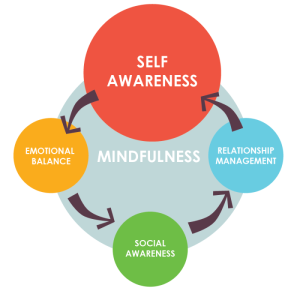
Importance of mindfulness for self-awareness sets the stage for this enthralling narrative, offering readers a glimpse into a story that is rich in detail and brimming with originality from the outset. Mindfulness practices pave the way for a deeper understanding of oneself, fostering personal growth and development.
As we delve into the intricacies of mindfulness and its profound impact on self-awareness, we uncover a world of techniques and benefits that illuminate the path to a more conscious existence.
Importance of mindfulness for self-awareness
Mindfulness plays a crucial role in enhancing self-awareness by helping individuals tune into their thoughts, emotions, and sensations without judgment. This practice allows for a deeper understanding of oneself and promotes personal growth and development.
Mindfulness Practices for Increasing Self-Awareness
- Body Scan Meditation: By focusing on each part of the body, individuals can become more aware of physical sensations and emotions.
- Mindful Breathing: Paying attention to the breath can help in staying present and understanding one’s mental state.
- Journaling: Reflecting on thoughts and emotions through writing can increase self-awareness and insight.
Connection Between Mindfulness and Self-Reflection
Mindfulness encourages self-reflection by creating a space for individuals to observe their thoughts and feelings objectively. This process allows for a deeper understanding of one’s beliefs, behaviors, and patterns, leading to increased self-awareness.
Benefits of Being Self-Aware in Personal Growth
- Enhanced Emotional Intelligence: Self-awareness enables individuals to better understand and manage their emotions, leading to improved relationships and communication.
- Increased Resilience: Being aware of one’s strengths and weaknesses allows for better coping mechanisms during challenging situations.
- Improved Decision-Making: Self-aware individuals can make choices aligned with their values and goals, leading to more fulfilling outcomes.
Balanced Diet
Maintaining a balanced diet is crucial for overall well-being as it provides the necessary nutrients for the body to function optimally. A balanced diet consists of a variety of foods that offer a mix of carbohydrates, proteins, fats, vitamins, and minerals.
Role of a Balanced Diet in Mental Wellness
A balanced diet plays a significant role in mental wellness by providing essential nutrients that support brain health and function. Nutrient-rich foods can help regulate mood, improve concentration, and enhance cognitive abilities. Consuming a variety of foods ensures that the brain receives the necessary nutrients to function at its best.
- Fatty fish such as salmon, which is rich in omega-3 fatty acids, can help improve brain function and reduce the risk of cognitive decline.
- Blueberries are packed with antioxidants that have been shown to improve memory and cognitive function.
- Dark leafy greens like spinach and kale are high in vitamins and minerals that support brain health and cognitive function.
Proper nutrition is essential for maintaining cognitive function and overall mental well-being.
Significance of Proper Nutrition for Cognitive Function
Proper nutrition is crucial for cognitive function as the brain relies on specific nutrients to perform optimally. Nutrients such as omega-3 fatty acids, antioxidants, vitamins, and minerals play a key role in supporting cognitive function, memory, and focus.
- Omega-3 fatty acids found in fish, nuts, and seeds are essential for brain health and cognitive function.
- Vitamin E, found in nuts, seeds, and leafy greens, is known to support cognitive function and protect against cognitive decline.
- Antioxidants like vitamin C and beta-carotene found in fruits and vegetables help reduce oxidative stress in the brain and support cognitive function.
Mental Wellness
When it comes to mental wellness, mindfulness plays a crucial role in promoting emotional balance and overall well-being.
Relationship between Mindfulness and Mental Wellness
Mindfulness involves being fully present in the moment without judgment, which can help individuals manage stress, anxiety, and other mental health issues. By cultivating awareness of one’s thoughts and emotions, individuals can develop a better understanding of their inner world and respond to challenges in a more constructive manner.
Benefits of Practicing Mindfulness for Mental Health
- Reduces stress and anxiety levels
- Enhances focus and concentration
- Improves self-regulation and emotional resilience
- Promotes a sense of calm and relaxation
Techniques for Incorporating Mindfulness into Daily Routines
- Start the day with a mindful breathing exercise
- Practice mindful eating by savoring each bite
- Take short mindfulness breaks throughout the day to check in with your thoughts and emotions
- Engage in mindfulness meditation to cultivate a greater sense of awareness
Impact of Mindfulness on Emotional Balance
Mindfulness can help individuals regulate their emotions by bringing attention to the present moment and acknowledging their feelings without judgment. This awareness allows individuals to respond to challenging situations with greater clarity and composure, leading to improved emotional well-being.
Physical Fitness
Mindfulness can play a crucial role in enhancing physical fitness routines by promoting a deeper mind-body connection. By incorporating mindfulness practices into exercise, individuals can improve their overall well-being and performance.
Benefits of Mindfulness in Exercise
- Enhanced focus and concentration during workouts
- Reduced risk of injury by staying present and attentive to body movements
- Improved mind-body coordination and balance
Mindful Exercises for Overall Health
- Yoga: Combines physical postures, breathing techniques, and meditation to promote flexibility, strength, and relaxation.
- Tai Chi: A gentle form of martial arts that focuses on slow, flowing movements to enhance balance, coordination, and energy flow.
- Running or Walking Meditation: Engage in mindful breathing and awareness of each step to enhance cardiovascular health and mental clarity.
Tips for Staying Present During Physical Activity
- Focus on your breath: Pay attention to your inhales and exhales to stay grounded in the present moment.
- Listen to your body: Tune into physical sensations and adjust your movements accordingly to prevent strain or injury.
- Avoid distractions: Set aside electronic devices and external distractions to fully immerse yourself in the exercise experience.
Adequate Hydration
Maintaining adequate hydration is crucial for overall well-being as water plays a vital role in various bodily functions. Dehydration can have adverse effects on mental clarity, focus, and physical performance. It is essential to stay hydrated throughout the day to ensure optimal health and wellness.
Importance of Hydration
- Water is essential for regulating body temperature, aiding digestion, and transporting nutrients throughout the body.
- Proper hydration supports cognitive function, improving focus, concentration, and overall mental clarity.
- Dehydration can lead to fatigue, headaches, and decreased physical and mental performance.
Tips for Maintaining Hydration Levels
- Carry a reusable water bottle with you and sip water throughout the day.
- Set reminders to drink water regularly, especially if you have a busy schedule.
- Incorporate hydrating foods like fruits and vegetables into your diet.
- Avoid excessive consumption of dehydrating beverages like caffeinated drinks and alcohol.
Benefits of Mindful Drinking Practices
- Practicing mindful drinking involves being present and aware while consuming fluids, promoting mindful eating habits and overall well-being.
- It helps you listen to your body’s signals for thirst and hydration needs, preventing over or underhydration.
- Mindful drinking can enhance the enjoyment of beverages and help you develop a healthier relationship with hydration.
Regular Exercise
Regular exercise is crucial for maintaining physical fitness and overall well-being. When combined with mindfulness practices, the benefits of regular exercise can be further enhanced, leading to a more holistic approach to health and wellness.
Enhancing Benefits with Mindfulness
By incorporating mindfulness into physical activity, individuals can deepen their mind-body connection and improve their overall exercise experience. Mindfulness allows individuals to be fully present in the moment, focusing on their movements, breathing, and sensations during exercise. This heightened awareness can lead to increased concentration, better form, and a more effective workout.
Connection Between Mindfulness and Physical Activity
Mindfulness and physical activity are interconnected as both practices promote self-awareness, stress reduction, and emotional regulation. Mindfulness techniques such as deep breathing, body scans, and meditation can help individuals stay grounded and centered during their workouts, leading to a more fulfilling and enjoyable exercise routine.
Mindfulness Techniques for Workout Routines
- Practice deep breathing exercises before and after your workout to center yourself and increase oxygen flow to your muscles.
- Focus on proper form and alignment during each exercise to prevent injuries and maximize the benefits of your workout.
- Incorporate mindful walking or running by paying attention to each step, the rhythm of your movements, and the sensations in your body.
- Use visualization techniques to imagine yourself successfully completing your workout goals, boosting motivation and confidence.
Preventing Injuries with Mindfulness
Mindfulness plays a crucial role in preventing injuries during exercise by helping individuals tune into their body’s signals and limitations. By listening to their bodies and being mindful of any discomfort or pain, individuals can adjust their workout intensity, avoid overtraining, and reduce the risk of injuries.
Additionally, mindfulness techniques can aid in faster recovery and better overall physical health.
Healthy Lifestyle
Maintaining a healthy lifestyle is crucial for overall well-being. It involves a combination of various factors that contribute to physical, mental, and emotional health.
Components of a Healthy Lifestyle
- Eating a balanced diet rich in fruits, vegetables, lean proteins, and whole grains.
- Engaging in regular physical activity to keep the body fit and strong.
- Getting adequate rest and quality sleep to allow the body to rejuvenate.
- Practicing mindfulness and stress management techniques to promote mental wellness.
- Staying hydrated by drinking plenty of water throughout the day.
How Mindfulness Promotes a Healthy Lifestyle, Importance of mindfulness for self-awareness
Practicing mindfulness can help individuals make conscious choices that support a healthy lifestyle. By being present in the moment and aware of their thoughts and feelings, individuals can better regulate their behaviors and make positive decisions regarding their health.
Tips for Incorporating Mindfulness into Daily Habits
- Start your day with a few minutes of mindful breathing or meditation.
- Practice mindful eating by savoring each bite and paying attention to hunger cues.
- Take short mindfulness breaks throughout the day to check in with yourself and reduce stress.
- Engage in mindful movement practices such as yoga or tai chi to connect with your body.
Impact of Mindfulness on Making Healthier Choices
Mindfulness can significantly influence the choices individuals make regarding their health. By being more aware of their thoughts and emotions, individuals can better understand their motivations behind certain behaviors and make conscious decisions that align with their overall well-being.
Stress Management: Importance Of Mindfulness For Self-awareness
Mindfulness practices play a crucial role in managing stress effectively. By cultivating mindfulness, individuals can develop the ability to stay present in the moment and respond to stressors in a more calm and composed manner.
Benefits of Mindfulness for Stress Reduction
- Reduces the impact of stress on the body and mind.
- Enhances resilience, allowing individuals to bounce back from stressful situations more easily.
- Improves emotional regulation, leading to better control over reactions to stress.
Techniques for Using Mindfulness to Cope with Daily Stressors
- Practice deep breathing exercises to calm the mind and body.
- Engage in mindful meditation to increase awareness of thoughts and feelings.
- Focus on the present moment by paying attention to sensations, emotions, and surroundings.
Examples of Mindfulness Exercises for Stress Relief
- Body Scan: Start from the top of your head and slowly move attention down to the toes, noticing any areas of tension and releasing them.
- 5-4-3-2-1 Grounding Technique: Identify 5 things you can see, 4 things you can touch, 3 things you can hear, 2 things you can smell, and 1 thing you can taste to bring yourself back to the present moment.
- Loving-Kindness Meditation: Extend wishes of love, compassion, and kindness to yourself and others to cultivate positive emotions and reduce stress.
Preventive Care
Preventive care is essential for maintaining overall well-being as it focuses on identifying and addressing potential health issues before they become serious. By taking proactive measures, individuals can prevent illnesses and promote long-term health.
Mindfulness can play a crucial role in preventive health measures by helping individuals become more aware of their physical and emotional states. By practicing mindfulness, individuals can better understand their bodies and recognize early warning signs of health issues.
Incorporating Mindfulness in Preventive Care Practices
- Regular mindfulness meditation to reduce stress and promote relaxation.
- Body scan exercises to check in with physical sensations and detect any changes.
- Mindful eating to improve digestion and make healthier food choices.
By incorporating mindfulness into preventive care practices, individuals can enhance their self-awareness and take proactive steps towards maintaining their health.
Benefits of Early Intervention through Mindfulness
- Early detection of health issues leads to timely treatment and better outcomes.
- Mindfulness practices can help individuals manage chronic conditions more effectively.
- Improved overall well-being and quality of life through proactive health measures.
Quality Sleep
Quality sleep is essential for overall well-being and plays a crucial role in our physical and mental health. Mindfulness practices can significantly impact the quality of our sleep by promoting relaxation and reducing stress and anxiety levels.
Relationship between Mindfulness and Quality Sleep
Practicing mindfulness techniques can help calm the mind, reduce racing thoughts, and create a sense of inner peace, all of which are beneficial for improving sleep quality. Mindfulness encourages us to be present in the moment, letting go of worries and distractions that often keep us awake at night.
Mindfulness Practices to Improve Sleep Patterns
- Body Scan Meditation: Before bedtime, lie down comfortably and focus on each part of your body, releasing tension and promoting relaxation.
- Deep Breathing Exercises: Engage in slow, deep breathing to calm the mind and prepare for a restful sleep.
- Mindful Journaling: Write down your thoughts, feelings, and gratitudes before sleep to declutter the mind and promote a sense of calm.
Tips for Incorporating Mindfulness into Bedtime Routines
- Avoid Screens: Put away electronic devices at least an hour before bedtime to reduce stimulation and promote relaxation.
- Create a Relaxing Environment: Dim the lights, play calming music, and engage in soothing activities to signal to your body that it’s time to unwind.
- Establish a Bedtime Routine: Develop a consistent routine that includes mindfulness practices to signal to your body that it’s time to wind down and prepare for sleep.
Mindfulness Techniques for Relaxation Before Sleep
- Progressive Muscle Relaxation: Tense and release each muscle group in your body to promote relaxation and reduce physical tension.
- Visualization: Imagine a peaceful place or scenario to distract the mind from worries and promote a sense of calm.
- Body Scan Meditation: Focus on each body part, starting from the toes up to the head, to release tension and promote relaxation.
Cardio Health
Mindfulness plays a crucial role in promoting cardiovascular health by reducing stress levels, improving sleep quality, and enhancing overall well-being. By incorporating mindfulness practices into daily life, individuals can support their heart health and reduce the risk of heart-related issues.
Benefits of Mindfulness for Cardiovascular Health
- Reduces stress and anxiety levels, which can contribute to lower blood pressure and heart rate.
- Improves sleep quality, allowing the heart to rest and recover properly.
- Promotes healthy lifestyle choices, such as balanced diet and regular exercise, which are essential for cardiovascular fitness.
Mindful Activities for Cardiovascular Fitness
- Yoga: Combines physical movement, breathing techniques, and meditation to improve heart health.
- Meditation: Helps in calming the mind and reducing stress, which benefits the heart.
- Deep breathing exercises: Promotes relaxation and can have a positive impact on cardiovascular function.
Connection Between Mindfulness and Healthy Heart
Mindfulness practices help individuals become more aware of their thoughts, emotions, and physical sensations, allowing them to manage stress effectively and make healthier choices. This awareness can lead to better heart health outcomes and a reduced risk of cardiovascular diseases.
Immune Boost
Mindfulness practices play a crucial role in strengthening the immune system by reducing stress levels, promoting relaxation, and enhancing overall well-being. The connection between mindfulness and immune function is rooted in the ability of mindfulness to regulate the body’s stress response, which in turn can impact immune health positively.
Mindfulness Techniques for Immune Health
- Deep Breathing Exercises: Engaging in deep breathing exercises can help reduce stress and promote relaxation, leading to a more balanced immune response.
- Body Scan Meditation: This practice involves focusing on different parts of the body, promoting awareness of physical sensations and reducing tension that may impact immune function.
- Loving-Kindness Meditation: Cultivating feelings of compassion and kindness through this practice can have a positive impact on immune function by reducing negative emotions and promoting positivity.
- Mindful Eating: Being present and mindful while eating can help improve digestion and nutrient absorption, ultimately supporting immune health.
Tips for Incorporating Mindfulness for Immune-Boosting Benefits
- Start with Short Sessions: Begin with short mindfulness sessions and gradually increase the duration as you become more comfortable with the practice.
- Consistency is Key: Consistent practice of mindfulness techniques is essential for reaping the immune-boosting benefits, so try to incorporate mindfulness into your daily routine.
- Find What Works for You: Explore different mindfulness techniques to find what resonates with you and fits your lifestyle, whether it’s meditation, yoga, or mindful breathing.
- Practice Gratitude: Cultivating a sense of gratitude through mindfulness can help reduce stress levels and promote overall well-being, indirectly supporting immune function.
Positive Mindset
Mindfulness plays a crucial role in cultivating a positive mindset by helping individuals become more aware of their thoughts and emotions. This awareness allows them to acknowledge negative patterns and choose more positive ways of thinking and reacting.
Impact of Mindfulness on Cultivating a Positive Mindset
- By practicing mindfulness, individuals can observe their thoughts without judgment, leading to a greater sense of self-awareness and the ability to challenge negative beliefs.
- Mindfulness helps individuals stay present in the moment, reducing feelings of anxiety or worry about the future and regrets about the past.
- Through mindfulness, individuals can develop a sense of gratitude and appreciation for the present moment, fostering a more positive outlook on life.
Mindfulness Techniques for Fostering a Positive Outlook
- Body Scan Meditation: This involves focusing on different parts of the body, promoting relaxation and awareness of physical sensations.
- Loving-Kindness Meditation: By sending well-wishes to oneself and others, individuals can cultivate feelings of compassion and positivity.
- Deep Breathing Exercises: Deep, intentional breathing can help calm the mind and reduce stress, leading to a more positive mindset.
Connection Between Mindfulness and Emotional Well-Being
- Mindfulness practices like meditation and deep breathing can help individuals regulate their emotions, leading to improved emotional well-being.
- By being present and aware of their feelings, individuals can respond to emotions in a more balanced and constructive way, fostering a positive mindset.
- Research has shown that mindfulness can decrease symptoms of depression and anxiety, contributing to overall emotional wellness.
Clean Eating
Clean eating is a concept centered around consuming whole, unprocessed foods in their most natural state to promote overall health and well-being. By focusing on nutrient-dense foods and avoiding processed and refined products, individuals can benefit from improved energy levels, enhanced digestion, better weight management, and reduced risk of chronic diseases.
Benefits of Clean Eating
- Increased intake of essential nutrients like vitamins, minerals, and antioxidants.
- Supports healthy weight management and metabolism.
- Reduces inflammation in the body and lowers the risk of diseases.
- Promotes better digestion and gut health.
Mindfulness and Clean Eating
Mindfulness plays a crucial role in clean eating by helping individuals become more aware of their food choices and eating habits. By practicing mindfulness during meals, individuals can pay attention to their hunger cues, savor the flavors and textures of food, and make intentional choices that align with their health goals.
This mindful approach can prevent overeating, emotional eating, and mindless snacking, leading to a healthier relationship with food.
Tips for Mindful Eating Habits
- Avoid distractions like electronic devices while eating to focus on the meal.
- Eat slowly and chew food thoroughly to enhance digestion and satiety signals.
- Listen to your body’s hunger and fullness cues to eat when hungry and stop when satisfied.
- Appreciate the flavors, smells, and textures of food to cultivate a deeper connection with what you eat.
Nutrient-Rich Foods for Clean Eating
| Food Group | Examples |
|---|---|
| Vegetables | Spinach, broccoli, bell peppers, sweet potatoes |
| Fruits | Berries, apples, oranges, bananas |
| Whole Grains | Quinoa, brown rice, oats, whole wheat bread |
| Lean Proteins | Chicken, turkey, tofu, lentils, beans |
| Healthy Fats | Avocado, nuts, seeds, olive oil |
Daily Activity
Regular physical activity plays a crucial role in maintaining overall well-being. It not only helps in improving physical health but also has positive effects on mental and emotional well-being. Integrating mindfulness into daily activities can further enhance the benefits of staying active.
Importance of Daily Physical Activity
Engaging in daily physical activity is essential for maintaining good health. It helps in improving cardiovascular health, strengthening muscles and bones, and enhancing flexibility and balance. Regular exercise also aids in weight management, reduces the risk of chronic diseases, and boosts overall energy levels.
Mindful Approaches to Everyday Tasks
- Practice mindful walking by focusing on each step and the sensations in your body.
- Eat mindfully by paying attention to the flavors, textures, and sensations of each bite.
- Be present during household chores by fully immersing yourself in the task at hand.
- Practice mindful breathing while commuting or waiting in line to stay grounded and calm.
Benefits of Staying Present and Mindful
Mindfulness during daily routines can help reduce stress and anxiety, improve focus and concentration, and enhance overall emotional well-being. By staying present and mindful, individuals can cultivate a deeper sense of gratitude, contentment, and awareness in their daily lives.
Holistic Health
Understanding the concept of holistic health and its connection to mindfulness is essential in achieving overall well-being. Holistic health emphasizes the importance of considering the whole person – body, mind, and spirit – in the quest for optimal health.
Connection between Mindfulness and Holistic Health
Mindfulness practices play a crucial role in promoting holistic well-being by fostering awareness of the interconnectedness of physical, mental, and emotional health. By being present in the moment and cultivating mindfulness, individuals can better understand and address their overall health needs.
Examples of Holistic Health Practices with Mindfulness
- Yoga: Combining mindful movement with breath awareness, yoga promotes physical flexibility, mental clarity, and emotional balance.
- Meditation: Through mindfulness meditation, individuals can cultivate a sense of inner peace, reduce stress, and enhance overall well-being.
- Healthy Eating: Mindful eating practices encourage awareness of food choices, portion sizes, and eating habits, leading to better digestion and improved nutrition.
Tips for Achieving Balance through Mindfulness
- Start the day with a mindful breathing exercise to set a positive tone for the day.
- Practice gratitude by reflecting on things you are thankful for, promoting a positive mindset.
- Engage in physical activity mindfully, focusing on the sensations and movements of your body.
- Take regular breaks throughout the day to check in with your thoughts and emotions, promoting mental well-being.
Mindful Living
Mindful living is the practice of being fully present and engaged in the current moment, without judgment. It involves paying attention to thoughts, feelings, sensations, and the environment around us.
Principles of Mindful Living
- Awareness: Being conscious of your thoughts and emotions without reacting impulsively.
- Acceptance: Embracing experiences, whether positive or negative, without judgment.
- Non-judgment: Observing thoughts and feelings without labeling them as good or bad.
- Present moment focus: Directing attention to the current moment rather than dwelling on the past or worrying about the future.
Benefits of Incorporating Mindfulness
- Reduced stress and anxiety levels
- Improved focus and concentration
- Enhanced emotional regulation
- Increased self-awareness and self-compassion
Mindful Living Practices
Examples of mindful living practices include:
- Mindful breathing exercises
- Body scan meditation
- Mindful eating
- Walking meditation
Enhancing Quality of Life
By incorporating mindfulness into daily life, individuals can experience a profound improvement in their overall well-being. Mindfulness helps individuals cultivate a deeper connection with themselves and the world around them, leading to greater clarity, peace, and contentment.
Emotional Balance
Mindfulness plays a crucial role in achieving emotional balance by helping individuals become more aware of their thoughts and feelings without judgment. This increased self-awareness allows for better regulation of emotions and reactions to various situations.
The Role of Mindfulness in Achieving Emotional Balance
Mindfulness practices such as meditation, deep breathing exercises, and body scans can help regulate emotions by creating a sense of calm and reducing reactivity to stressors. By staying present in the moment, individuals can observe their emotions without getting overwhelmed by them.
Mindfulness Techniques for Emotional Well-being
- Body Scan: This involves focusing on different parts of the body to bring awareness and release tension, promoting relaxation and emotional balance.
- Loving-Kindness Meditation: Cultivating feelings of compassion and love towards oneself and others can enhance emotional well-being and reduce negative emotions.
- Grounding Techniques: Engaging the senses to connect with the present moment, such as focusing on the breath or noticing the environment, can help manage overwhelming emotions.
Using Mindfulness to Navigate Challenging Emotions
When faced with difficult emotions, practicing mindfulness can help individuals acknowledge and accept their feelings without judgment. By observing emotions as temporary experiences, one can respond more skillfully rather than react impulsively.
Health Education
The importance of health education cannot be overstated when it comes to promoting wellness. Health education empowers individuals to make informed decisions about their health, leading to better overall well-being and quality of life.
Role of Mindfulness in Health Education Initiatives
Incorporating mindfulness into health education programs can significantly enhance the effectiveness of these initiatives. Mindfulness practices help individuals cultivate self-awareness, reduce stress, and improve focus, which are essential components of a healthy lifestyle. By teaching mindfulness techniques, health educators can equip individuals with valuable tools to manage their physical, mental, and emotional well-being.
Examples of Incorporating Mindfulness into Health Education Programs
- Introducing mindfulness meditation sessions as part of a school’s health curriculum to help students cope with academic pressure and build resilience.
- Integrating mindfulness practices into workplace wellness programs to reduce employee stress levels and enhance productivity.
- Providing mindfulness-based stress reduction workshops in community health centers to support individuals in managing chronic conditions and improving overall health outcomes.
Benefits of Mindfulness-Based Health Education
Improved stress management
Mindfulness techniques can help individuals reduce stress levels and promote mental well-being.
Enhanced self-awareness
Practicing mindfulness allows individuals to develop a deeper understanding of their thoughts, emotions, and behaviors.
Better decision-making
By cultivating mindfulness, individuals can make more informed choices related to their health and well-being.
Increased resilience
Mindfulness-based health education can help individuals build resilience to cope with life’s challenges and setbacks.
Overall improved quality of life
Incorporating mindfulness into health education programs can lead to better physical, mental, and emotional health outcomes, ultimately enhancing individuals’ overall quality of life.
Self-Care
Self-care is the practice of taking deliberate actions to preserve or improve one’s own health and well-being. It involves attending to our physical, mental, and emotional needs to ensure balance and overall wellness.Mindfulness practices play a crucial role in enhancing self-care routines by promoting awareness of our thoughts, feelings, and bodily sensations.
By being present in the moment without judgment, we can better understand our needs and make conscious decisions to nurture ourselves.
Mindful Self-Care Activities
- Engage in mindful breathing exercises to reduce stress and promote relaxation.
- Practice mindful eating by savoring each bite, paying attention to hunger cues, and choosing nourishing foods.
- Take mindful walks in nature to connect with the environment and clear the mind.
- Cultivate a gratitude journal to focus on positive aspects of life and foster a sense of contentment.
Tips for Prioritizing Self-Care
- Set aside dedicated time each day for self-care activities, even if it’s just a few minutes.
- Create a self-care routine that incorporates mindfulness practices, such as meditation or yoga.
- Learnt to say no to activities or commitments that drain your energy and prioritize those that replenish you.
- Seek support from loved ones or a professional if you’re struggling to prioritize self-care.
Chronic Disease
Mindfulness plays a crucial role in managing chronic diseases by helping individuals cope with symptoms, reduce stress levels, and improve overall quality of life. By incorporating mindfulness practices into their daily routine, individuals can complement traditional treatments for chronic conditions and experience a holistic approach to healing.
Impact of Mindfulness on Managing Chronic Diseases
- Mindfulness techniques such as meditation, deep breathing exercises, and yoga can help individuals manage pain, reduce inflammation, and lower blood pressure, contributing to better control of chronic conditions like hypertension, arthritis, and diabetes.
- Practicing mindfulness regularly can enhance immune function, promote better sleep, and increase overall resilience, which are crucial factors in managing chronic diseases such as autoimmune conditions and chronic pain disorders.
Mindfulness Techniques for Coping with Symptoms of Chronic Diseases
- Body scan meditation: By focusing on each part of the body and observing sensations without judgment, individuals can increase awareness of pain or discomfort related to chronic conditions and learn to manage them effectively.
- Mindful breathing: Deep, intentional breathing exercises can help individuals reduce stress, calm the nervous system, and alleviate symptoms such as shortness of breath or anxiety associated with chronic respiratory conditions.
Benefits of Mindfulness for Improving Quality of Life with Chronic Illnesses
- Enhanced emotional well-being: Mindfulness practices promote emotional balance, reduce feelings of depression and anxiety, and improve overall mental health, leading to a better quality of life for individuals living with chronic diseases.
- Improved symptom management: By cultivating mindfulness, individuals can develop a greater sense of control over their bodies, increase pain tolerance, and enhance their ability to cope with the unpredictable nature of chronic illnesses.
Outcome Summary
In conclusion, the journey through the realm of mindfulness and self-awareness unveils a tapestry of insights and revelations. Embracing mindfulness not only nurtures self-awareness but also empowers individuals to navigate life’s complexities with clarity and purpose.
Query Resolution
How does mindfulness enhance self-awareness?
Mindfulness helps individuals become more attuned to their thoughts, emotions, and behaviors, leading to a deeper understanding of oneself.
What are some examples of mindfulness techniques for self-awareness?
Examples include meditation, deep breathing exercises, body scans, and mindful journaling.
How does mindfulness benefit personal growth and development?
Being self-aware through mindfulness enables individuals to make conscious choices, cultivate resilience, and enhance emotional intelligence, all of which are crucial for personal growth.