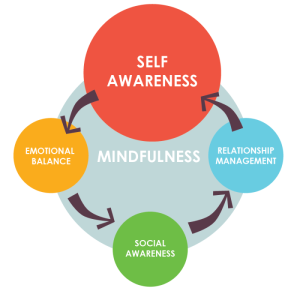
Kicking off with How to support holistic health with aromatherapy through essential oils, this opening paragraph aims to provide a captivating overview of the benefits and applications of aromatherapy in promoting overall well-being.
Aromatherapy offers a holistic approach to health by utilizing essential oils to address various aspects of wellness, from mental clarity to physical fitness and immune support. By understanding how aromatherapy can enhance different areas of our lives, we can truly harness its potential for a healthier lifestyle.
Introduction to Aromatherapy for Holistic Health: How To Support Holistic Health With Aromatherapy
Aromatherapy is a holistic healing treatment that uses natural plant extracts, known as essential oils, to promote overall well-being. These essential oils are extracted from flowers, herbs, and other plants, each with its own unique properties and benefits. The concept of aromatherapy is deeply rooted in the idea of treating the mind, body, and spirit as a whole, rather than focusing on individual symptoms.
Benefits of Using Essential Oils
- Essential oils can help reduce stress and promote relaxation, leading to improved mental clarity and focus.
- They have antibacterial and antiviral properties, which can boost the immune system and help prevent illness.
- Some essential oils can aid in digestion, alleviate headaches, and even improve sleep quality.
Aromatherapy for Emotional Balance and Stress Management
Aromatherapy has been shown to have a positive impact on emotional well-being by promoting feelings of calmness and reducing anxiety. The inhalation of essential oils can stimulate the limbic system in the brain, which is responsible for controlling emotions and memories.
This can help manage stress levels and improve overall emotional balance.
Essential Oils for Balanced Diet and Nutrition
Essential oils can play a significant role in supporting a balanced diet and optimal nutrition. By aiding digestion, supporting nutrient absorption, and promoting healthy eating habits, aromatherapy can complement your overall wellness journey.
Essential Oils for Digestion and Nutrient Absorption
Some essential oils have properties that can help improve digestion and enhance the absorption of nutrients in the body. These oils can support a healthy gut environment and promote overall digestive wellness.
- Peppermint Oil:Known for its soothing properties, peppermint oil can help relieve digestive discomfort and support healthy digestion.
- Ginger Oil:Ginger oil is often used to aid digestion, reduce bloating, and support nutrient absorption in the body.
- Fennel Oil:Fennel oil may help alleviate digestive issues like gas and bloating, promoting a healthy digestive system.
Aromatherapy to Enhance a Balanced Diet
When used in conjunction with a well-rounded diet, essential oils can enhance the flavors of food, making healthy eating more enjoyable. They can also help curb cravings and promote mindful eating habits.
Role of Essential Oils in Promoting Healthy Nutrition
Essential oils can be a valuable addition to your nutrition plan by providing natural support for various aspects of digestive health. They can help maintain a healthy gut microbiome, reduce inflammation, and support overall nutrient absorption, contributing to your overall well-being.
Aromatherapy for Mental Wellness
Aromatherapy has the power to positively impact mental wellness by promoting relaxation, reducing stress, and enhancing focus and clarity. Specific essential oils can play a significant role in improving mental health and emotional balance.
Improving Mental Clarity and Focus
Using essential oils like peppermint, rosemary, and eucalyptus can help improve mental clarity and focus. These oils are known for their stimulating properties that can boost cognitive function and increase alertness. Diffusing these oils or using them in a rollerball blend can enhance concentration and productivity.
Incorporating Aromatherapy into Mindfulness Practices
Mindfulness practices such as meditation and yoga can be enhanced with the use of aromatherapy. Diffusing calming oils like lavender or chamomile during mindfulness sessions can create a peaceful and serene environment, promoting relaxation and stress relief. Incorporating aromatherapy into daily mindfulness routines can help improve mental well-being and emotional balance.
Promoting a Positive Mindset and Emotional Balance
Essential oils like bergamot, frankincense, and ylang-ylang are known for their mood-boosting properties. These oils can help promote a positive mindset, reduce feelings of anxiety and depression, and enhance emotional balance. Using these oils in a diffuser or adding them to a warm bath can create a sense of calm and well-being, supporting overall mental wellness.
Physical Fitness and Aromatherapy
Aromatherapy can play a significant role in supporting physical fitness by aiding in muscle recovery, relaxation post-exercise, enhancing physical performance, and boosting motivation during workouts.
Essential Oils for Muscle Recovery and Relaxation
- Lavender oil: Known for its calming properties, lavender oil can help reduce muscle tension and promote relaxation after a strenuous workout.
- Peppermint oil: With its cooling effect, peppermint oil can soothe sore muscles and alleviate post-exercise discomfort.
- Chamomile oil: Chamomile oil is effective in reducing inflammation and muscle soreness, making it ideal for post-workout recovery.
Aromatherapy for Physical Performance and Motivation
- Citrus oils (such as lemon, orange, or grapefruit): These uplifting oils can boost energy levels, improve focus, and enhance physical performance during workouts.
- Rosemary oil: Known for its stimulating properties, rosemary oil can help increase alertness, concentration, and motivation during exercise sessions.
Tips for Using Essential Oils for Pre-Workout Energy and Post-Workout Recovery
- Pre-workout: Inhale uplifting essential oils like peppermint or citrus blends to increase energy levels and mental focus before exercising.
- Post-workout: Dilute calming oils such as lavender or chamomile with a carrier oil and apply topically to promote muscle relaxation and aid in recovery.
- Massage: Combine essential oils with a carrier oil and use for a post-workout massage to soothe tired muscles and promote faster recovery.
Hydration and Immune Boost with Aromatherapy
Maintaining proper hydration is crucial for overall health, as it supports various bodily functions like digestion, circulation, and temperature regulation. Aromatherapy can play a role in encouraging hydration by making water intake more enjoyable and refreshing.
Essential Oils for Hydration Support
- Peppermint oil: Known for its refreshing and invigorating scent, peppermint oil can help enhance the taste of water, making it more enticing to drink throughout the day.
- Lemon oil: With its bright and citrusy aroma, lemon oil can add a burst of flavor to water, encouraging increased consumption to stay hydrated.
- Lavender oil: Lavender oil can help promote relaxation and reduce stress, which can indirectly support hydration by alleviating factors that may contribute to dehydration.
Essential Oils for Immune Boost
- Tea tree oil: Renowned for its antimicrobial properties, tea tree oil can help boost the immune system and protect against harmful pathogens.
- Eucalyptus oil: Eucalyptus oil has antiviral and antibacterial properties that can help strengthen the immune system and promote overall health.
- Rosemary oil: Rich in antioxidants, rosemary oil can support immune function and protect the body from oxidative stress.
Incorporating Essential Oils for Immune Support, How to support holistic health with aromatherapy
- Add a drop of immune-boosting essential oils like tea tree or eucalyptus to a diffuser to create a supportive and refreshing atmosphere in your living space.
- Blend immune-boosting oils with a carrier oil like coconut or almond oil and apply the mixture to pulse points for a natural immune boost throughout the day.
- Create a DIY room spray with immune-supporting oils to purify the air and promote a healthy environment in your home or workspace.
Stress Management and Aromatherapy
Aromatherapy can be a powerful tool in managing stress and promoting relaxation. The use of essential oils in aromatherapy can have calming effects on the nervous system, helping to reduce feelings of anxiety and stress.
Relaxation Techniques with Aromatherapy for Stress Relief
- Diffusing lavender essential oil in your home or workspace to create a calming atmosphere.
- Applying a few drops of chamomile oil to your wrists or temples for instant relaxation.
- Taking a relaxing bath with a few drops of ylang-ylang oil added to the water.
- Mixing a blend of bergamot, frankincense, and sandalwood oils in a rollerball and applying it to pulse points for stress relief throughout the day.
Calming Effects of Essential Oils on the Nervous System
- Lavender oil has been shown to reduce anxiety levels and promote relaxation.
- Chamomile oil is known for its calming properties and can help soothe the mind and body.
- Frankincense oil has a grounding effect, helping to ease feelings of stress and tension.
- Bergamot oil is uplifting and can help improve mood and reduce stress levels.
Using Aromatherapy to Manage Chronic Stress and Anxiety
- Creating a personalized essential oil blend for daily use to support overall well-being and reduce stress levels.
- Incorporating aromatherapy into your bedtime routine to promote restful sleep and relaxation.
- Practicing deep breathing exercises while inhaling essential oils to enhance the calming effects on the nervous system.
- Seeking guidance from a certified aromatherapist for a tailored approach to managing chronic stress and anxiety with aromatherapy.
Quality Sleep and Aromatherapy
A restful night’s sleep is essential for overall well-being, and aromatherapy can play a significant role in promoting relaxation and improving sleep quality. By incorporating essential oils into your bedtime routine, you can create a calming environment that enhances your sleep experience.
Essential Oils for Better Sleep
- Lavender: Known for its calming properties, lavender oil can help reduce stress and anxiety, promoting a sense of relaxation before bedtime.
- Chamomile: Chamomile oil is often used to induce sleep and can help alleviate insomnia and restless sleep patterns.
- Sandalwood: With its woody and grounding aroma, sandalwood oil can create a soothing atmosphere, perfect for unwinding before sleep.
Bedtime Routine with Aromatherapy
- Diffuse essential oils in your bedroom before bedtime to create a peaceful ambiance.
- Add a few drops of your chosen essential oil to a warm bath or mix with a carrier oil for a calming massage.
- Use a pillow spray infused with essential oils to promote relaxation and improve sleep quality.
Aromatherapy for Sleep Disorders
- Aromatherapy can be a natural and non-invasive way to address sleep disorders such as insomnia, sleep apnea, and restless leg syndrome.
- Regular use of essential oils in a bedtime routine can help establish healthy sleep patterns and improve overall sleep quality.
- Consult with a qualified aromatherapist to create a personalized blend of essential oils tailored to your specific sleep needs.
Preventive Care and Aromatherapy
Aromatherapy can play a significant role in preventive care by supporting overall health and well-being. By incorporating essential oils into your daily routine, you can boost your immune system, reduce the risk of illnesses, and promote a healthy lifestyle.
Essential Oils with Antimicrobial Properties
Using essential oils with antimicrobial properties can help prevent the spread of harmful bacteria and viruses. Some essential oils known for their antimicrobial effects include:
- Lavender oil
- Tea tree oil
- Eucalyptus oil
- Lemon oil
These oils can be diffused, applied topically, or used in cleaning products to create a healthier environment and reduce the risk of infections.
Role of Aromatherapy in Supporting Natural Defenses
Aromatherapy can boost the body’s natural defenses against illnesses by strengthening the immune system and promoting overall vitality. Essential oils like:
- Frankincense
- Peppermint
- Rosemary
- Thyme
have immune-boosting properties that can help ward off common colds, flu, and other infections. Incorporating these oils into your daily routine can help maintain your health and well-being in a preventive manner.
Final Thoughts
In conclusion, embracing aromatherapy as a tool for holistic health can lead to a more balanced and fulfilling life. By incorporating essential oils into our daily routines, we can support our physical, mental, and emotional well-being in a natural and effective way.
Discover the power of aromatherapy and unlock a path to a healthier you.
FAQ Summary
Can aromatherapy help with sleep disorders?
Aromatherapy can assist in promoting relaxation and improving sleep quality, which may help individuals with sleep disorders achieve better rest.
How can essential oils support muscle recovery?
Essential oils like lavender and peppermint can aid in muscle recovery and relaxation post-exercise when used in massage or aromatherapy techniques.
Is aromatherapy suitable for managing chronic stress?
Aromatherapy can be a beneficial tool for managing chronic stress and anxiety by promoting relaxation and calmness through the use of specific essential oils.