How to improve sleep quality for individuals with chronic diseases sets the stage for exploring various strategies to enhance sleep in those managing chronic conditions. From nutrition to mental wellness, this comprehensive guide offers valuable insights for a restful night’s sleep.
Balanced Diet
Eating a balanced diet is crucial for improving sleep quality in individuals with chronic diseases. By incorporating nutrient-rich foods into daily meals, individuals can positively impact their sleep patterns and overall health.
Nutrient-Rich Foods
A variety of foods can support better sleep quality for individuals with chronic conditions. Some examples include:
- Fruits: Berries, bananas, and kiwi are rich in antioxidants and vitamins that promote relaxation and help regulate sleep.
- Vegetables: Leafy greens like spinach, kale, and broccoli are high in magnesium and calcium, which can aid in muscle relaxation and improve sleep quality.
- Whole Grains: Oats, quinoa, and brown rice are sources of complex carbohydrates that can help increase serotonin levels, promoting a sense of calmness and aiding in sleep.
- Lean Proteins: Chicken, turkey, fish, and tofu are good sources of protein that contain amino acids necessary for the production of melatonin, a hormone that regulates sleep-wake cycles.
By incorporating these nutrient-rich foods into their diet, individuals with chronic diseases can experience improvements in their sleep patterns and overall well-being.
Mental Wellness
Promoting mental wellness is crucial for individuals with chronic diseases to enhance their sleep quality. By incorporating strategies to manage stress and improve mental health, better sleep can be achieved.
Role of Stress Management Techniques
- Stress management techniques, such as meditation and mindfulness, play a significant role in reducing anxiety and promoting relaxation before bedtime.
- Practicing these techniques regularly can help individuals with chronic diseases calm their minds and bodies, creating a conducive environment for sleep.
- By incorporating these practices into a nightly routine, individuals can experience improved sleep quality and better overall mental well-being.
Connection between Mental Health and Sleep Disturbances
- Individuals with chronic diseases often experience high levels of stress and anxiety, which can lead to sleep disturbances.
- Poor mental health can contribute to insomnia, difficulty falling asleep, or staying asleep throughout the night.
- Addressing mental health issues through therapy, counseling, or relaxation techniques can help alleviate sleep problems and improve overall quality of life.
Physical Fitness
Regular physical activity plays a crucial role in improving sleep quality for individuals with chronic diseases. Engaging in suitable exercises not only helps in promoting better sleep patterns but also contributes to overall health outcomes.
Suitable Physical Activities
- Low-impact exercises like walking, swimming, or cycling can be beneficial for individuals with chronic conditions such as arthritis or fibromyalgia.
- Yoga and gentle stretching routines can help in reducing muscle tension and promoting relaxation before bedtime.
- Strength training exercises with light weights or resistance bands can improve muscle strength and endurance, leading to better sleep quality.
Benefits of Regular Exercise
- Regular exercise helps in reducing stress and anxiety levels, which are common factors that disrupt sleep for individuals with chronic diseases.
- Physical activity promotes the release of endorphins, also known as “feel-good” hormones, which can enhance mood and promote better sleep.
- Improvement in cardiovascular health through regular exercise can indirectly contribute to better sleep quality by reducing the risk of sleep apnea and other related conditions.
Creating a Personalized Fitness Routine
- Consult with a healthcare provider or a certified fitness trainer to create a customized exercise plan that takes into consideration your specific chronic condition and physical limitations.
- Start with low-intensity exercises and gradually increase the duration and intensity based on your comfort level and progress.
- Include a mix of aerobic, strength training, and flexibility exercises in your routine to ensure overall fitness and better sleep quality.
Adequate Hydration
Staying adequately hydrated is crucial for individuals with chronic diseases to improve their sleep quality. Dehydration can have a significant impact on sleep patterns and may worsen symptoms of chronic conditions.
Importance of Hydration for Better Sleep
- Dehydration can lead to disruptions in the body’s natural sleep-wake cycle, making it harder to fall asleep and stay asleep throughout the night.
- Proper hydration helps regulate body temperature, which is essential for a good night’s sleep.
- Hydration plays a key role in maintaining overall health and supporting the body’s immune system, which is important for individuals with chronic diseases.
Recommendations for Daily Water Intake
- It is generally recommended for adults to drink at least 8-10 cups (64-80 ounces) of water per day, but individual needs may vary based on factors like age, weight, and activity level.
- For individuals with chronic conditions, it is important to consult with healthcare providers to determine the appropriate daily water intake to support overall health and manage symptoms effectively.
Regular Exercise
Regular exercise plays a crucial role in improving sleep quality for individuals managing chronic diseases. Engaging in physical activity can help regulate sleep patterns, reduce stress and anxiety levels, and promote overall well-being.
Optimal Timing of Exercise
It is recommended to schedule exercise sessions earlier in the day, preferably in the morning or afternoon. Exercising too close to bedtime may lead to increased alertness, making it harder to fall asleep. By choosing the right timing for exercise, individuals can enhance their sleep quality and ensure a restful night.
Low-Impact Exercises for Better Sleep
- Yoga: Gentle yoga poses can help relax the body and mind, promoting better sleep quality.
- Walking: Taking a brisk walk outdoors or on a treadmill can improve circulation and reduce stress, leading to improved sleep.
- Swimming: Water-based exercises like swimming or aqua aerobics are gentle on the joints and can help individuals with chronic conditions stay active while enhancing sleep.
- Cycling: Riding a stationary bike or going for a leisurely bike ride can be a low-impact exercise option to improve overall well-being and sleep quality.
Healthy Lifestyle
Maintaining a healthy lifestyle is crucial for improving sleep quality in individuals with chronic diseases. By incorporating certain habits and creating a supportive environment, better sleep outcomes can be achieved.
Consistent Sleep Schedule
Having a consistent sleep schedule can help regulate the body’s internal clock, making it easier to fall asleep and wake up at the same time every day. This can improve the overall quality of sleep and promote better rest for individuals managing chronic conditions.
Limiting Caffeine Intake
Caffeine is a stimulant that can disrupt sleep patterns and make it difficult to fall asleep. By limiting caffeine intake, especially in the afternoon and evening, individuals with chronic diseases can reduce the likelihood of sleep disturbances and improve sleep quality.
Creating a Supportive Environment
Designing a sleep-friendly environment is essential for individuals with chronic diseases. This may include optimizing the bedroom for sleep by keeping it dark, quiet, and cool. Removing electronic devices and creating a relaxing bedtime routine can also contribute to better sleep quality and overall well-being.
Stress Management
Stress can have a significant impact on the quality of sleep, especially for individuals with chronic diseases. By managing stress effectively, it is possible to improve sleep quality and overall well-being. Here are some techniques to help individuals with chronic diseases in managing stress for better sleep:
Impact of Stress on Sleep Disturbances
- Stress can lead to difficulty falling asleep, frequent awakenings during the night, and overall poor sleep quality.
- High levels of stress hormones, such as cortisol, can disrupt the natural sleep-wake cycle and contribute to insomnia.
- Chronic stress can also exacerbate symptoms of underlying health conditions, making it essential to address stress for better management of chronic diseases.
Effective Stress Management Strategies
- Practice relaxation techniques such as deep breathing, meditation, or progressive muscle relaxation to calm the mind and body before bedtime.
- Engage in regular physical activity to reduce stress and promote the release of endorphins, which are natural mood boosters.
- Establish a bedtime routine that includes calming activities like reading a book, taking a warm bath, or listening to soothing music to signal the body that it’s time to wind down.
- Seek support from friends, family, or a therapist to talk about your stressors and develop coping mechanisms to manage them effectively.
Preventive Care: How To Improve Sleep Quality For Individuals With Chronic Diseases
Preventive care plays a crucial role in managing chronic diseases and can significantly impact sleep quality. By focusing on maintaining overall health and preventing complications, individuals can improve their sleep outcomes.
Regular Health Screenings and Check-ups
Regular health screenings and check-ups are essential in preventing complications that may affect sleep quality. These screenings help detect any potential issues early on, allowing for timely intervention and management to maintain overall health.
- Regular blood pressure checks can help prevent cardiovascular complications that may disrupt sleep patterns.
- Annual physical exams can identify any underlying health conditions that could impact sleep quality, such as diabetes or respiratory disorders.
- Screenings for mental health disorders can address issues like anxiety or depression that may lead to insomnia or other sleep disturbances.
Proactive Measures for Health Maintenance
Individuals can take proactive measures to maintain their health and improve sleep outcomes by adopting healthy lifestyle habits and practices.
- Engage in regular physical activity to promote overall well-being and reduce the risk of chronic diseases.
- Follow a balanced diet rich in nutrients to support immune function and overall health.
- Practice stress management techniques like meditation or yoga to reduce anxiety and promote restful sleep.
- Adequate hydration is essential for proper bodily functions, including sleep regulation.
Proper Nutrition
Proper nutrition plays a crucial role in supporting sleep quality for individuals with chronic diseases. By consuming a well-balanced diet rich in essential nutrients, individuals can enhance their overall health and promote better sleep patterns.
Importance of Specific Nutrients
Specific nutrients such as magnesium and melatonin have been found to aid in promoting better sleep for individuals with chronic conditions. Magnesium helps regulate neurotransmitters involved in sleep, while melatonin is known for its role in regulating the sleep-wake cycle.
Meal Planning Tips and Recipe Ideas
- Include magnesium-rich foods such as leafy greens, nuts, seeds, and whole grains in your meals to support better sleep.
- Incorporate melatonin-rich foods like cherries, kiwi, and bananas into your diet to help regulate your sleep-wake cycle.
- Avoid consuming caffeine and heavy meals close to bedtime, as they can disrupt your sleep patterns.
- Consider having a light snack before bed, such as a small portion of yogurt or a banana, to promote better sleep.
Quality Sleep
Quality sleep is characterized by uninterrupted restorative rest that allows the body and mind to rejuvenate. It plays a crucial role in the overall health and well-being of individuals managing chronic diseases. Adequate sleep is essential for proper immune function, cognitive performance, emotional regulation, and overall disease management.
Impact of Sleep Disorders on Health Outcomes
Sleep disorders and disturbances can have a profound impact on individuals with chronic conditions. Poor sleep quality can exacerbate symptoms, decrease tolerance to pain, increase inflammation, and contribute to the progression of the underlying disease. It can also lead to impaired concentration, memory problems, mood disorders, and decreased quality of life.
Strategies for Creating a Sleep-Friendly Environment
Creating a sleep-friendly environment is essential for enhancing sleep quality and duration. Some strategies include:
- Establishing a consistent sleep schedule
- Creating a relaxing bedtime routine
- Ensuring a comfortable sleep environment with a supportive mattress and pillows
- Avoiding stimulants like caffeine and electronics before bedtime
- Practicing relaxation techniques such as deep breathing or meditation
- Limiting exposure to light and noise in the bedroom
- Seeking treatment for underlying sleep disorders if necessary
Cardio Health
Maintaining cardiovascular health is crucial for individuals with chronic diseases as it can directly impact their quality of sleep. By focusing on exercises and proper nutrition to support heart health, individuals can improve their sleep patterns and overall well-being.
Connection between Cardiovascular Health and Sleep Quality
- Cardiovascular conditions such as heart failure, hypertension, and coronary artery disease can disrupt sleep patterns.
- Poor sleep quality can also increase the risk of developing cardiovascular diseases, creating a cycle that negatively impacts overall health.
- Regular exercise and a heart-healthy diet can help improve cardiovascular health, leading to better sleep quality.
Strategies to Improve Cardiovascular Health for Better Sleep
- Engage in aerobic exercises like walking, cycling, or swimming to strengthen the heart and improve circulation.
- Include foods rich in omega-3 fatty acids, antioxidants, and fiber to support heart health and reduce inflammation.
- Avoid excessive intake of processed foods, saturated fats, and sugary beverages that can contribute to heart problems.
- Manage stress through relaxation techniques, mindfulness practices, and adequate rest to lower blood pressure and improve sleep.
Immune Boost
Boosting the immune system plays a crucial role in improving sleep quality for individuals with chronic diseases. A strong immune system can help reduce inflammation in the body, which is often linked to sleep disturbances in those with chronic conditions.
By focusing on immune health, individuals can support their overall well-being and promote better sleep patterns.
Relationship between Immune Health, Inflammation, and Sleep Disturbances, How to improve sleep quality for individuals with chronic diseases
In chronic diseases, the immune system is often weakened, leading to increased inflammation in the body. This chronic inflammation can disrupt normal sleep cycles and contribute to insomnia or poor sleep quality. By boosting the immune system, individuals can help reduce inflammation levels, leading to improved sleep patterns and overall health.
Recommendations for Immune-Boosting Foods and Supplements
- Eat a variety of fruits and vegetables rich in antioxidants, such as berries, citrus fruits, and leafy greens, to support immune function.
- Incorporate probiotic-rich foods like yogurt, kefir, and sauerkraut to promote a healthy gut microbiome, which plays a key role in immune health.
- Include immune-boosting herbs and spices like turmeric, ginger, and garlic in your meals to help combat inflammation and support immune function.
- Consider taking supplements like vitamin C, vitamin D, and zinc to fill in any nutritional gaps and support immune health.
- Stay hydrated by drinking plenty of water throughout the day to help flush out toxins and support immune function.
Positive Mindset
Having a positive mindset plays a crucial role in improving sleep quality for individuals with chronic diseases. The connection between mental attitude, resilience, and sleep outcomes is significant when managing chronic conditions. Cultivating a positive outlook and mindset can enhance overall well-being and promote better sleep.
Tips for Cultivating a Positive Mindset
- Acknowledge and challenge negative thoughts: Recognize negative thought patterns and work on reframing them into more positive and realistic perspectives.
- Practice gratitude: Regularly express gratitude for the good things in your life, no matter how small. Keeping a gratitude journal can help shift focus towards positivity.
- Engage in mindfulness and relaxation techniques: Mindfulness meditation, deep breathing exercises, and progressive muscle relaxation can help reduce stress and promote a more positive mental outlook.
- Surround yourself with positivity: Spend time with supportive and uplifting individuals who encourage a positive mindset. Limit exposure to negative influences.
- Set realistic goals: Breaking down larger goals into smaller achievable steps can boost confidence and create a sense of accomplishment, fostering a positive mindset.
- Stay active and prioritize self-care: Regular physical activity, adequate sleep, healthy nutrition, and self-care practices contribute to overall well-being and a positive mindset.
Clean Eating
Clean eating refers to consuming whole, unprocessed foods in their natural state while avoiding processed foods, additives, and preservatives. This approach focuses on nourishing the body with nutrient-dense foods that support overall health and well-being.
Impact of Processed Foods
Processed foods often contain high levels of sugar, unhealthy fats, and artificial ingredients that can disrupt sleep patterns and overall health. These additives and preservatives may lead to inflammation, digestive issues, and imbalances in hormones, all of which can negatively impact sleep quality.
- High sugar content in processed foods can lead to energy spikes and crashes, affecting the body’s ability to regulate sleep cycles.
- Unhealthy fats in processed foods can contribute to weight gain and increase the risk of sleep apnea and other sleep disorders.
- Artificial ingredients and preservatives can trigger allergies and intolerances, leading to discomfort and restless sleep.
Benefits of Clean Eating
Adopting a clean eating approach can have numerous benefits for individuals with chronic diseases looking to improve their sleep quality and overall health.
- Improved nutrient intake supports proper hormone balance and helps regulate sleep-wake cycles.
- Reduced inflammation in the body can alleviate pain and discomfort, promoting better sleep quality.
- Enhanced digestion from whole foods can prevent discomfort that might disrupt sleep patterns.
- Stabilized blood sugar levels can help prevent energy crashes that interfere with restful sleep.
Daily Activity
Regular physical activity plays a crucial role in improving sleep quality for individuals with chronic diseases. By incorporating movement throughout the day, you can enhance your sleep patterns and overall health. Here are some benefits and examples of simple activities to support restful sleep:
Importance of Daily Physical Activity
- Engaging in daily physical activity helps regulate your body’s internal clock, known as the circadian rhythm, which in turn promotes better sleep quality.
- Moving your body during the day can reduce stress and anxiety levels, leading to a more relaxed state conducive to falling asleep and staying asleep throughout the night.
- Regular exercise can increase the production of endorphins, also known as “feel-good” hormones, which can help improve mood and alleviate symptoms of depression or insomnia.
Examples of Simple Activities for Better Sleep
- Take a short walk in the morning or evening to get some fresh air and sunlight, which can help regulate your sleep-wake cycle.
- Practice gentle stretching or yoga before bedtime to relax your muscles and calm your mind, preparing your body for a restful night’s sleep.
- Engage in activities like gardening, dancing, or swimming to add variety to your exercise routine and keep your body active throughout the day.
Holistic Health
When it comes to improving sleep quality in individuals with chronic diseases, the concept of holistic health plays a crucial role. Holistic health focuses on the interconnectedness of physical, mental, and emotional well-being to achieve overall wellness and, in turn, better sleep outcomes.
Interconnectedness of Physical, Mental, and Emotional Well-being
Addressing the physical, mental, and emotional aspects of an individual’s health is essential for promoting restorative sleep. These three components are closely linked, and imbalances in one area can affect the others, leading to sleep disturbances and overall health issues.
Holistic Approaches to Health for Better Sleep
- Engage in mindfulness practices such as meditation and deep breathing exercises to calm the mind and reduce stress levels, promoting relaxation before bedtime.
- Follow a balanced diet rich in nutrients to support overall health and provide the body with the necessary resources for rest and recovery during sleep.
- Incorporate regular physical activity into your routine to improve circulation, reduce tension, and promote better sleep quality.
- Practice good sleep hygiene by creating a relaxing bedtime routine, maintaining a comfortable sleep environment, and sticking to a consistent sleep schedule.
- Seek support from healthcare professionals, therapists, or support groups to address any underlying health conditions or emotional concerns that may be impacting your sleep.
Mindful Living
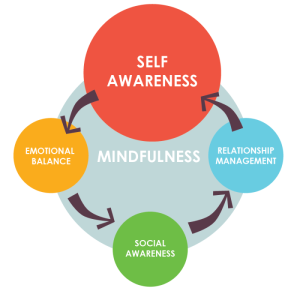
Mindful living practices play a crucial role in enhancing sleep quality for individuals managing chronic diseases. By incorporating mindfulness into daily activities and routines, one can experience improved sleep patterns and overall well-being.
Benefits of Mindful Living
- Reduces stress and anxiety levels, leading to better relaxation before bedtime.
- Enhances self-awareness, helping individuals recognize and address any underlying issues affecting their sleep.
- Promotes a sense of calmness and tranquility, creating a conducive environment for restful sleep.
Impact of Mindfulness on Sleep Quality
- Increases focus and attention, allowing individuals to clear their minds and prepare for a peaceful night’s rest.
- Improves emotional regulation, preventing negative thoughts and worries from disrupting sleep.
- Enhances overall sleep efficiency and duration, ensuring a more rejuvenating sleep experience.
Tips for Incorporating Mindfulness
- Practice deep breathing exercises before bedtime to relax the mind and body.
- Engage in meditation or yoga to promote relaxation and reduce stress levels.
- Avoid electronic devices and stimulating activities close to bedtime to create a calming bedtime routine.
Emotional Balance
Emotional balance plays a crucial role in improving sleep quality for individuals with chronic diseases. The connection between emotional well-being, stress, and sleep disturbances in chronic conditions cannot be overlooked. Cultivating emotional resilience and balance is essential to support better sleep outcomes.
Importance of Emotional Balance
Emotional balance is vital for individuals with chronic diseases as it helps in reducing stress levels, which are often linked to sleep disturbances. When emotions are in check, the body can relax more easily, leading to improved sleep quality.
Strategies for Cultivating Emotional Resilience
- Practice mindfulness and meditation to calm the mind and reduce stress levels.
- Engage in activities that bring joy and relaxation, such as hobbies or spending time in nature.
- Seek support from friends, family, or a therapist to express emotions and cope with challenges.
- Avoid negative triggers and practice positive self-talk to foster a healthy emotional state.
- Establish a bedtime routine that includes relaxation techniques to prepare the mind for restful sleep.
Health Education
Health education plays a crucial role in empowering individuals with chronic diseases to improve their sleep quality. By providing knowledge, awareness, and information, individuals can make informed decisions about their sleep habits and overall health.
Significance of Health Education
Health education equips individuals with the necessary tools to understand the importance of sleep in managing chronic conditions. It helps them recognize the impact of sleep on their overall well-being and quality of life.
- Health education enhances self-management skills, enabling individuals to adopt healthy sleep practices and routines tailored to their specific health needs.
- It promotes a proactive approach to health by empowering individuals to take control of their sleep patterns and make positive lifestyle changes.
- By educating individuals about the relationship between sleep quality and chronic diseases, health education encourages adherence to treatment plans and interventions.
Role of Knowledge and Awareness
Knowledge and awareness are essential components of health education when it comes to improving sleep quality for individuals with chronic diseases. They help individuals understand the factors influencing their sleep patterns and identify strategies to address sleep-related challenges.
- Understanding the sleep needs specific to their condition empowers individuals to prioritize restorative sleep and establish healthy sleep hygiene practices.
- Awareness of the effects of poor sleep on chronic conditions motivates individuals to seek professional guidance and support in managing their sleep health.
- Access to accurate information about sleep disorders and treatment options enables individuals to make informed decisions about seeking medical help and utilizing available resources.
Resources and Support
In addition to knowledge and awareness, individuals with chronic diseases benefit from ongoing health education and support to manage their sleep and overall well-being effectively. Various resources, tools, and platforms are available to provide guidance and assistance in improving sleep quality.
- Online sleep education programs offer valuable information on sleep disorders, sleep hygiene practices, and relaxation techniques to enhance sleep quality.
- Sleep clinics and support groups provide a supportive environment for individuals to share experiences, seek advice, and receive expert guidance on sleep management strategies.
- Healthcare professionals, including sleep specialists and educators, play a crucial role in educating individuals about the importance of sleep in managing chronic diseases and promoting optimal health outcomes.
Self-Care
Self-care plays a crucial role in enhancing sleep quality for individuals with chronic diseases. By incorporating self-care practices into daily routines, individuals can improve their overall well-being and promote restful sleep.
Importance of Self-Care
- Self-care routines help individuals manage stress levels, which can directly impact sleep quality.
- Engaging in relaxation techniques such as deep breathing or meditation before bedtime can calm the mind and body, leading to better sleep.
- Prioritizing personal well-being through self-care activities can improve overall health outcomes and contribute to a more restful night’s sleep.
Tips for Prioritizing Self-Care
- Establish a daily self-care routine that includes activities you enjoy, such as reading, taking a bath, or practicing yoga.
- Set aside time each day for relaxation techniques to unwind and prepare your body for sleep.
- Practice mindfulness and stay present in the moment to reduce anxiety and promote a sense of calm before bedtime.
- Prioritize self-care by making it a non-negotiable part of your daily schedule, just like any other important task.
- Seek support from loved ones or a healthcare professional to help you stay accountable and motivated in prioritizing self-care.
Chronic Disease
Chronic diseases are long-lasting conditions that often require ongoing medical treatment and management. These conditions can have a significant impact on sleep quality and patterns, making it challenging for individuals to get restful and rejuvenating sleep.
Common Chronic Diseases Impacting Sleep
- Diabetes: Fluctuations in blood sugar levels can disrupt sleep patterns and lead to insomnia.
- Arthritis: Pain and discomfort from arthritis can make it difficult to fall and stay asleep.
- Heart Disease: Symptoms such as shortness of breath and chest pain can interfere with sleep quality.
- Chronic Pain Conditions: Conditions like fibromyalgia or back pain can cause sleep disturbances and insomnia.
Challenges Faced by Individuals with Chronic Diseases
- Medication Side Effects: Some medications for chronic conditions can affect sleep quality.
- Physical Discomfort: Pain, inflammation, or other physical symptoms can disrupt sleep.
- Mental Health Issues: Anxiety, depression, or stress related to chronic illness can impact sleep patterns.
Approaches for Improving Sleep in Chronic Disease
- Consulting Healthcare Providers: Discussing sleep issues with doctors to explore treatment options.
- Establishing a Bedtime Routine: Creating a relaxing bedtime routine can promote better sleep.
- Managing Stress: Practicing relaxation techniques like deep breathing or meditation to reduce stress levels.
- Adjusting Sleep Environment: Ensuring a comfortable and dark sleep environment for quality rest.
Ending Remarks
Exploring the interconnected factors influencing sleep quality in individuals with chronic diseases, this guide emphasizes the significance of holistic approaches and tailored strategies. By prioritizing self-care, mental wellness, and proper nutrition, individuals can take proactive steps towards improving their sleep outcomes.
FAQ Insights
How does mental wellness impact sleep quality in individuals with chronic diseases?
Mental wellness plays a crucial role in promoting better sleep quality by reducing stress levels and fostering a positive mindset, which are essential for improved sleep outcomes.
What are some examples of nutrient-rich foods that can support better sleep for individuals with chronic diseases?
Foods rich in magnesium, melatonin, and tryptophan such as nuts, seeds, whole grains, and leafy greens can aid in enhancing sleep quality for those with chronic conditions.
How can regular exercise contribute to improved sleep patterns in individuals managing chronic diseases?
Regular exercise helps regulate sleep patterns, reduce stress, and improve overall health outcomes, making it beneficial for individuals with chronic diseases to achieve better sleep quality.