How to use visualization techniques for stress reduction is a crucial skill in today’s fast-paced world, offering a powerful tool for managing and alleviating stress effectively. As we delve into the realm of visualization, we uncover a myriad of techniques that not only aid in relaxation but also foster emotional balance and physical well-being.
Join us on this journey to discover the transformative potential of visualization for a healthier and more balanced life.
Benefits of Visualization Techniques for Stress Reduction: How To Use Visualization Techniques For Stress Reduction
Visualization techniques offer a variety of benefits when it comes to reducing stress levels. By engaging in visualization, individuals can tap into the power of their imagination to create calming mental images that can help ease anxiety and promote a sense of relaxation.
Enhanced Stress Management
- Visualizing peaceful scenes such as a serene beach or a lush forest can help individuals shift their focus away from stressors and into a more positive and tranquil state of mind.
- Creating mental images of successfully overcoming challenges or achieving goals can boost confidence and reduce feelings of overwhelm or helplessness.
Promotes Relaxation and Emotional Balance
- Visualization techniques can activate the body’s relaxation response, leading to a decrease in heart rate, blood pressure, and muscle tension.
- Imagining calming scenarios can help regulate emotions and foster a sense of inner peace, leading to improved emotional well-being.
Implementing Visualization Techniques
Visualization techniques are powerful tools for reducing stress and promoting relaxation. By engaging our imagination and mental imagery, we can create a calm and peaceful state of mind. Here, we will explore different visualization techniques that can be used for stress reduction, provide step-by-step instructions on how to practice visualization for stress relief, and emphasize the importance of consistency in incorporating visualization into a daily routine.
Different Visualization Techniques
- Guided Imagery: This technique involves listening to a recorded script or guide that helps you imagine a peaceful and relaxing scene.
- Positive Visualization: Visualizing positive outcomes or scenarios can help shift your focus away from stressors and towards more uplifting thoughts.
- Body Scan: By mentally scanning your body from head to toe and focusing on releasing tension in each area, you can promote relaxation and reduce stress.
Step-by-Step Practice
- Find a quiet and comfortable space where you won’t be disturbed.
- Close your eyes and take a few deep breaths to relax your body and mind.
- Choose a visualization technique that resonates with you and start creating a mental image.
- Engage all your senses to make the visualization as vivid as possible.
- Stay in the visualization for a few minutes, focusing on the feelings of relaxation and calmness.
- Slowly transition back to the present moment by taking a few more deep breaths.
Importance of Consistency
Consistency is key when it comes to reaping the benefits of visualization for stress reduction. By practicing visualization techniques regularly, you train your mind to respond to stressors in a more positive and relaxed manner. Incorporating visualization into your daily routine can help build resilience against stress and promote overall well-being.
Combining Visualization with Mindfulness
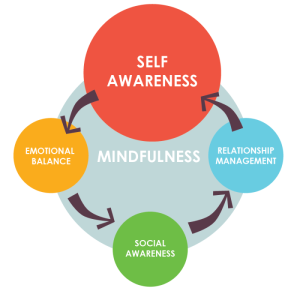
Visualization techniques and mindfulness practices are powerful tools on their own for reducing stress and promoting mental wellness. When combined, they create a synergistic effect that can amplify their individual benefits.
Enhanced Stress Reduction
By combining visualization with mindfulness, individuals can deepen their awareness of their thoughts and emotions, allowing them to cultivate a sense of calm and relaxation. Visualizing peaceful scenes or positive outcomes while practicing mindfulness can help shift focus away from stressors and promote a sense of inner peace.
Promoting Mental Wellness
The combination of visualization and mindfulness can also enhance overall mental wellness by fostering a greater sense of self-awareness and emotional regulation. This dual approach can help individuals better manage anxiety, improve mood, and increase resilience in the face of challenges.
Examples of Guided Meditations
Guided meditations that integrate visualization and mindfulness can be found in various formats, such as audio recordings, apps, or online videos. These guided sessions typically lead individuals through relaxation exercises that involve visualizing calming scenes while practicing mindfulness techniques like deep breathing and body scans.
Visualization Techniques for Physical Relaxation
Visualization techniques can be powerful tools for achieving physical relaxation and releasing tension in the body. By using the mind to create calming and soothing images, individuals can effectively relax their muscles and improve their overall physical well-being.
Progressive Muscle Relaxation Visualization
- Find a comfortable position and close your eyes.
- Start by focusing on your breathing, taking slow and deep breaths.
- Visualize each muscle group in your body, starting from your toes and moving upwards.
- As you focus on each muscle group, tense the muscles for a few seconds and then release them, feeling the tension melt away.
- Continue this process until you have moved through all the muscle groups in your body.
Deep Breathing Visualization
- Sit or lie down in a comfortable position.
- Close your eyes and focus on your breath.
- Imagine a calming scene, such as a peaceful beach or a serene forest.
- With each inhale, visualize yourself breathing in relaxation and peace.
- As you exhale, imagine releasing any tension or stress from your body.
- Continue this deep breathing visualization for a few minutes to promote relaxation.
Body Scan Visualization, How to use visualization techniques for stress reduction
- Lie down and close your eyes.
- Starting from your toes, bring your awareness to each part of your body.
- Visualize each body part becoming warm, relaxed, and free of tension.
- Move slowly up through your legs, torso, arms, and head, releasing any tightness or discomfort as you go.
- Focus on each body part individually, allowing yourself to fully relax and let go of any physical stress.
Visualization for Emotional Balance
Visualization can be a powerful tool in achieving emotional balance and managing difficult emotions. By using mental imagery to create a calming or positive scenario, individuals can shift their focus away from negative emotions and towards a more balanced state of mind.
Visualization helps in processing and releasing emotional stress by allowing individuals to explore their feelings in a safe and controlled way.
Role of Visualization in Emotional Balance
Visualization techniques play a crucial role in emotional balance by providing a way to express and release pent-up emotions. When individuals visualize themselves in a peaceful and serene setting, their body responds by relaxing and reducing stress levels. This process helps in regulating emotions and promoting a sense of well-being.
- Visualizing a Safe Space: One effective visualization exercise involves imagining a safe and comforting place where you can retreat to when feeling overwhelmed. This could be a beach, a forest, or any location that brings a sense of peace.
- Emotional Release Visualization: Another helpful exercise is visualizing a release of negative emotions. This could involve picturing these emotions as a heavy object that you let go of, symbolizing the act of letting go and moving forward.
- Color Visualization: Using colors to represent emotions can also be beneficial. Visualize a color associated with a specific emotion, then imagine transforming that color into a more positive hue to shift your emotional state.
Incorporating Visualization into a Healthy Lifestyle
Visualization techniques can play a crucial role in enhancing overall well-being when incorporated into a healthy lifestyle. By integrating visualization into daily activities, individuals can experience a more balanced approach to health that encompasses not only physical fitness and nutrition but also mental and emotional wellness.
Complementing a Balanced Diet and Physical Fitness Routine
- Visualizing healthy eating habits can reinforce positive choices and promote mindful eating.
- Imagining successful workout sessions can boost motivation and improve performance during exercise.
- Using visualization to see oneself achieving fitness goals can enhance commitment and persistence.
Connection between Visualization, Stress Management, and Preventive Care
- Visualizing calm and peaceful scenarios can reduce stress levels and promote relaxation.
- Imagining oneself coping effectively with challenges can build resilience and prevent stress-related health issues.
- Using visualization to envision a healthy future can motivate individuals to engage in preventive healthcare practices.
Integrating Visualization into Daily Activities for Holistic Health
- Start the day with a visualization exercise to set a positive tone for the day ahead.
- Use visualization techniques during breaks or downtime to reduce stress and enhance mental clarity.
- Incorporate visualization into bedtime routines to promote relaxation and improve sleep quality.
Outcome Summary
In conclusion, mastering visualization techniques for stress reduction can significantly enhance your overall well-being, providing a pathway to a calmer mind and a more peaceful existence. By integrating these practices into your daily routine, you pave the way for a healthier, happier, and more balanced life.
Embrace the power of visualization and unlock its profound benefits today.
Frequently Asked Questions
How often should I practice visualization techniques for stress reduction?
It is recommended to practice visualization techniques daily to experience optimal benefits and stress relief.
Can visualization techniques be used in conjunction with other stress-relief practices?
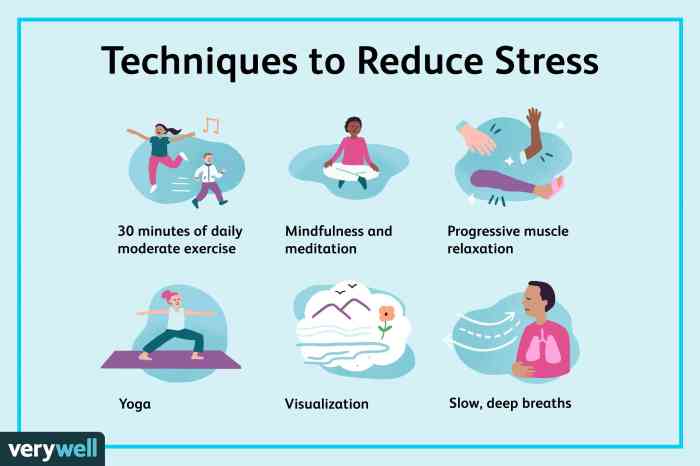
Absolutely. Visualization techniques can complement practices like meditation, yoga, and deep breathing exercises for enhanced stress reduction.
Are there specific visualization exercises for targeting different types of stress?
Yes, there are tailored visualization exercises for physical relaxation, emotional balance, and managing specific stress triggers.