As Benefits of regular exercise for heart health takes center stage, this opening passage beckons readers with engaging insights into the crucial role of exercise in maintaining a healthy heart. From discussing the physical benefits to exploring its impact on mental wellness, this topic offers a holistic perspective on heart health.
Regular exercise not only strengthens the heart but also boosts overall well-being. By delving into the connection between physical fitness, mental wellness, and heart health, we uncover a myriad of benefits that can transform our approach to self-care.
Balanced Diet
Eating a balanced diet plays a crucial role in supporting heart health. A diet rich in nutrients and low in unhealthy fats and sugars can help reduce the risk of heart disease and promote overall well-being.
Nutrient-Rich Foods for Heart Health
Eating nutrient-rich foods is essential for maintaining a healthy heart. Some examples of foods that are beneficial for heart health include:
- Fruits: Berries, citrus fruits, apples, and bananas are excellent sources of vitamins, minerals, and antioxidants that can help lower the risk of heart disease.
- Vegetables: Leafy greens, broccoli, carrots, and bell peppers are packed with fiber, vitamins, and minerals that support heart health and reduce inflammation.
- Whole Grains: Oats, quinoa, brown rice, and whole wheat bread are high in fiber and can help lower cholesterol levels, reducing the risk of heart disease.
- Lean Proteins: Skinless poultry, fish, tofu, and legumes are great sources of protein without the saturated fats found in red meat, which can contribute to heart problems.
Incorporating these nutrient-rich foods into your diet can help maintain a healthy heart and prevent cardiovascular issues in the long run.
Mental Wellness
Regular exercise plays a crucial role in promoting mental wellness, which in turn impacts heart health positively. Engaging in physical activity releases endorphins, also known as the “feel-good” hormones, which help reduce feelings of stress, anxiety, and depression. This emotional well-being is closely linked to heart health, as chronic stress and negative emotions can contribute to the development of heart conditions.
Stress Management and Heart Health
Stress management is key to maintaining a healthy heart. Exercise helps in reducing stress levels by lowering the production of stress hormones such as cortisol and adrenaline. By incorporating regular physical activity into your routine, you can effectively manage stress, which in turn reduces the risk of heart disease and related issues.
Positive Mindset and Heart Health
Having a positive mindset can have a significant impact on overall heart health. Studies have shown that individuals with a positive outlook on life tend to have lower blood pressure, reduced inflammation, and better heart health outcomes. By staying optimistic and engaging in activities that promote positivity, you can support your heart health and overall well-being.
Physical Fitness
Regular physical exercise plays a crucial role in maintaining cardiovascular health. When it comes to heart health, physical fitness and exercise go hand in hand. By engaging in regular physical activity, you can strengthen your heart muscle, improve blood circulation, and reduce the risk of heart disease.
Examples of Heart-Healthy Exercises
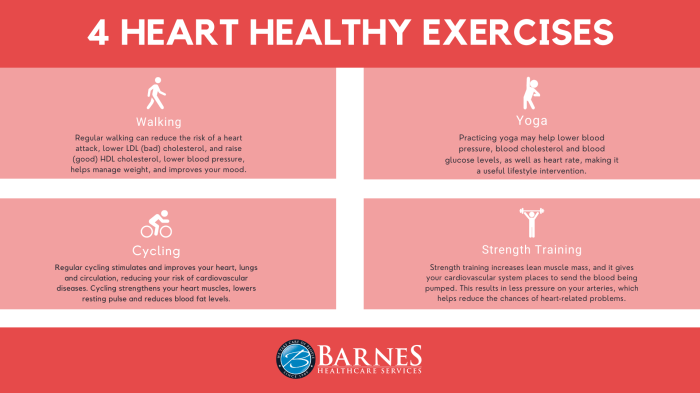
- Aerobic exercises such as walking, running, cycling, swimming, and dancing help to increase your heart rate and improve cardiovascular endurance.
- Strength training exercises like weightlifting, bodyweight exercises, and resistance band workouts are essential for building muscle strength, which supports overall heart function.
- Interval training, which involves alternating between high-intensity bursts of activity and periods of rest, can be particularly effective in improving heart health and fitness levels.
Importance of Aerobic and Strength Training
- Aerobic exercises help to strengthen the heart and lungs, improve circulation, and reduce the risk of cardiovascular diseases such as heart attacks and strokes.
- Strength training exercises not only build muscle mass but also help to improve metabolism, regulate blood sugar levels, and enhance overall cardiovascular health.
- Combining both aerobic and strength training exercises in your fitness routine can provide comprehensive benefits for your heart health, ensuring a strong and healthy cardiovascular system.
Adequate Hydration
Staying hydrated is crucial for maintaining optimal heart health. Water plays a vital role in various bodily functions, including circulation, temperature regulation, and nutrient transport.
Recommended Daily Water Intake
It is generally recommended to consume at least 8-10 cups (64-80 ounces) of water per day for optimal heart function. However, individual needs may vary based on factors such as age, activity level, and climate.
Impact of Dehydration on Heart Health
Dehydration can have a significant impact on heart health. When the body lacks an adequate amount of water, it can lead to a decrease in blood volume, resulting in the heart working harder to pump blood. This increased strain on the heart can potentially lead to cardiovascular issues over time.
Additionally, dehydration can cause an imbalance in electrolytes, which are essential for maintaining proper heart function. Electrolyte imbalances can disrupt the heart’s electrical signals, potentially leading to irregular heartbeats or other cardiac problems.
Benefits of Adequate Hydration
- Helps maintain proper blood volume and circulation, reducing the workload on the heart.
- Supports the transport of nutrients and oxygen to cells and tissues, promoting overall heart health.
- Aids in regulating blood pressure, which is crucial for cardiovascular function.
- Promotes proper electrolyte balance, essential for heart rhythm and function.
Regular Exercise
Regular exercise plays a crucial role in maintaining heart health by improving cardiovascular fitness, reducing the risk of heart disease, and managing blood pressure and cholesterol levels. It also helps in maintaining a healthy weight, reducing stress, and improving overall well-being.
Benefits of Regular Exercise on Heart Health
Regular exercise has numerous benefits for heart health, including:
- Improving cardiovascular fitness
- Reducing the risk of heart disease
- Managing blood pressure and cholesterol levels
- Helping in maintaining a healthy weight
- Reducing stress and improving overall well-being
Guidelines for Frequency and Duration of Exercise
Adults should aim for at least 150 minutes of moderate-intensity aerobic exercise or 75 minutes of vigorous-intensity exercise per week, along with muscle-strengthening activities on two or more days a week.
Types of Exercises to Improve Cardiovascular Fitness
- Aerobic exercises such as walking, running, cycling, swimming
- Interval training to increase heart rate and improve endurance
- Strength training to build muscle and support heart health
- Flexibility exercises like yoga or Pilates to improve overall fitness
Healthy Lifestyle
Adopting a healthy lifestyle is crucial for maintaining heart health. By making positive choices in various aspects of life, individuals can significantly reduce the risk of heart diseases and improve overall well-being.
Impact of Smoking, Alcohol Consumption, and Stress
- Smoking: Smoking is a major risk factor for heart disease as it damages the blood vessels, increases blood pressure, and reduces the amount of oxygen in the blood. Quitting smoking can greatly benefit heart health.
- Alcohol Consumption: Excessive alcohol consumption can lead to high blood pressure, irregular heartbeats, and weakened heart muscles. Moderation is key when it comes to alcohol intake to protect the heart.
- Stress: Chronic stress can contribute to heart problems by raising blood pressure, increasing cholesterol levels, and promoting unhealthy coping mechanisms like overeating or smoking. Managing stress through relaxation techniques, exercise, and social support is essential for heart health.
Tips for Creating a Sustainable Healthy Lifestyle
- Follow a balanced diet rich in fruits, vegetables, whole grains, lean proteins, and healthy fats to support heart health.
- Engage in regular physical activity such as aerobic exercises, strength training, and flexibility exercises to strengthen the heart and improve cardiovascular fitness.
- Stay hydrated by drinking an adequate amount of water throughout the day to support proper blood circulation and overall health.
- Get enough quality sleep each night to allow the heart to rest and recover, promoting optimal cardiovascular function.
- Practice mindfulness, meditation, or other stress-reducing techniques to manage stress levels and protect the heart from the negative impact of chronic stress.
Nutrient-Rich
Eating a diet rich in nutrients is crucial for maintaining heart health. Nutrient-rich foods provide the essential vitamins, minerals, and antioxidants that support the proper functioning of the heart and help reduce the risk of heart disease.
Key Nutrients for Heart Health
- Omega-3 fatty acids: Found in fatty fish like salmon and mackerel, omega-3s help lower blood pressure and reduce inflammation in the body, reducing the risk of heart disease.
- Potassium: Foods like bananas, sweet potatoes, and spinach are rich in potassium, which helps regulate blood pressure and support heart function.
- Antioxidants: Berries, nuts, and dark leafy greens are packed with antioxidants that protect the heart from damage caused by free radicals.
- Fiber: Whole grains, legumes, and fruits are high in fiber, which helps lower cholesterol levels and maintain a healthy heart.
A diet rich in vitamins, minerals, and antioxidants can help reduce inflammation, improve cholesterol levels, and support overall heart health.
Stress Management
Stress management plays a crucial role in maintaining heart health. Chronic stress can have a negative impact on the cardiovascular system, increasing the risk of heart disease and other related conditions. By effectively managing stress, individuals can improve their heart health and overall well-being.
Techniques for Managing Stress Effectively
- Practice relaxation techniques such as deep breathing, meditation, or yoga to reduce stress levels.
- Engage in regular physical activity, as exercise can help release endorphins that improve mood and reduce stress.
- Maintain a healthy work-life balance to prevent burnout and reduce stress from work-related pressures.
- Connect with friends and family for emotional support and social interaction, which can help alleviate stress.
- Get an adequate amount of sleep each night to recharge and better cope with daily stressors.
Impact of Chronic Stress on the Cardiovascular System
Chronic stress can lead to the release of stress hormones like cortisol and adrenaline, which can contribute to high blood pressure, inflammation, and an increased risk of heart disease. Prolonged exposure to stress can also negatively impact behaviors such as overeating, smoking, or alcohol consumption, further affecting heart health.
It is essential to identify stressors and develop healthy coping mechanisms to protect the heart and overall health.
Preventive Care
Regular preventive care plays a crucial role in maintaining heart health. By staying proactive and vigilant, individuals can significantly reduce the risk of developing heart conditions. Early detection through regular check-ups and screenings is key to addressing potential issues before they escalate into more serious problems.
Importance of Regular Check-Ups
Regular check-ups with healthcare providers can help monitor blood pressure, cholesterol levels, and overall heart health. These routine examinations can detect any abnormalities or warning signs early on, allowing for timely intervention and treatment if necessary.
- Regular check-ups provide an opportunity to assess risk factors for heart disease, such as family history, lifestyle habits, and existing health conditions.
- Monitoring key indicators like blood pressure and cholesterol levels can help individuals make informed decisions about their diet, exercise routine, and overall lifestyle choices.
- Early detection of heart conditions can lead to more effective treatment options and better outcomes for patients.
Preventive Measures to Reduce Heart Disease Risk
Taking proactive steps to reduce the risk of heart disease is essential for maintaining heart health in the long run. By incorporating healthy habits into daily life, individuals can significantly lower their chances of developing cardiovascular issues.
- Adopting a balanced diet rich in fruits, vegetables, whole grains, and lean proteins can support heart health and overall well-being.
- Engaging in regular physical activity, such as aerobic exercises, strength training, or yoga, can improve cardiovascular fitness and reduce the risk of heart disease.
- Managing stress through relaxation techniques, mindfulness practices, or hobbies can help lower blood pressure and promote heart health.
- Adequate hydration, sufficient sleep, and avoiding tobacco products are additional preventive measures that can contribute to a healthy heart.
Proper Nutrition
Proper nutrition plays a vital role in supporting heart health. A balanced diet rich in essential nutrients can help lower the risk of heart disease and promote overall well-being.
Importance of Proper Nutrition for Heart Health
- Eating a variety of fruits, vegetables, whole grains, lean proteins, and healthy fats provides the necessary nutrients to support heart function.
- Limiting intake of saturated fats, trans fats, cholesterol, and sodium can help reduce the risk of high blood pressure, cholesterol levels, and inflammation.
- Consuming foods high in fiber can aid in digestion, regulate blood sugar levels, and lower cholesterol, all of which benefit heart health.
Guidelines for Portion Control and Balanced Meals
- Follow portion control by using smaller plates, measuring servings, and being mindful of portion sizes to avoid overeating.
- Create balanced meals with a combination of carbohydrates, proteins, and fats, including a variety of colorful fruits and vegetables.
- Aim for nutrient-dense foods that provide essential vitamins, minerals, and antioxidants to support heart health.
Impact of Unhealthy Eating Habits on Heart Health
- Regular consumption of processed foods, sugary beverages, and high-fat snacks can lead to weight gain, high cholesterol, and increased risk of heart disease.
- Skipping meals, excessive consumption of fast food, and indulging in sugary treats can contribute to poor heart health and overall well-being.
- Unhealthy eating habits can also lead to nutrient deficiencies, inflammation, and oxidative stress, which negatively impact heart function and increase cardiovascular risk.
Quality Sleep
Quality sleep plays a crucial role in maintaining heart health. Adequate and restful sleep allows the body to repair and rejuvenate, leading to overall well-being and improved cardiovascular function.
Benefits of Quality Sleep for Heart Health
- Regulates blood pressure: Quality sleep helps in regulating blood pressure levels, reducing the risk of hypertension and related heart issues.
- Reduces inflammation: Adequate sleep contributes to lower levels of inflammation in the body, which is beneficial for heart health.
- Supports healthy weight: Good sleep habits are linked to maintaining a healthy weight, reducing the risk of obesity and associated heart conditions.
- Improves stress management: Quality sleep aids in better stress management, preventing the negative impact of chronic stress on the heart.
Tips for Improving Sleep Quality
- Establish a bedtime routine: Creating a consistent bedtime routine signals to your body that it’s time to wind down and prepare for sleep.
- Avoid stimulants before bedtime: Limit the consumption of caffeine and electronic devices with blue light close to bedtime to improve sleep quality.
- Create a comfortable sleep environment: Ensure your bedroom is conducive to sleep with a comfortable mattress, pillows, and a quiet, dark atmosphere.
- Practice relaxation techniques: Engage in relaxation techniques such as deep breathing, meditation, or gentle yoga before bed to promote better sleep.
Impact of Sleep Disorders on Cardiovascular Health
- Increased risk of heart disease: Sleep disorders like sleep apnea have been linked to an increased risk of heart disease, heart attacks, and stroke.
- Disrupted heart rhythm: Conditions like insomnia can disrupt the heart’s normal rhythm, leading to potential cardiovascular complications.
- Worsened heart failure: Poor sleep quality can exacerbate symptoms of heart failure and impact overall heart function.
- Impaired recovery post-heart surgery: Sleep disorders can hinder the recovery process post-heart surgery, affecting healing and recovery time.
Cardio Health
Maintaining good cardiovascular health is crucial for overall well-being. The heart is a vital organ that pumps blood and oxygen throughout the body, supporting the function of all other organs and systems.
Indicators of Good Cardiovascular Health
- Normal blood pressure levels
- Healthy cholesterol levels
- Regular heart rate
- Strong and consistent pulse
Maintaining Cardiovascular Health
- Regular exercise: Engaging in aerobic activities like running, swimming, or cycling can strengthen the heart muscle and improve circulation.
- Balanced diet: Eating nutrient-rich foods like fruits, vegetables, whole grains, and lean proteins can help maintain heart health.
- Managing stress: High stress levels can negatively impact the heart, so practicing stress management techniques like meditation or yoga is beneficial.
- Adequate hydration: Staying hydrated supports proper blood circulation and helps the heart function optimally.
Benefits of Exercise for Cardiovascular Health
Regular exercise not only strengthens the heart but also offers the following benefits:
- Improves blood circulation
- Reduces the risk of heart disease
- Lowers blood pressure
- Increases HDL (good) cholesterol levels
- Helps maintain a healthy weight
Immune Boost
Regular exercise plays a crucial role in boosting the immune system, which in turn benefits heart health. By engaging in physical activity, the body’s defense mechanisms are strengthened, making it more resilient to infections and illnesses.
Relationship between Immune Function and Heart Health
Regular exercise not only improves cardiovascular health but also enhances the immune system. Research has shown that individuals who exercise regularly are less likely to develop heart-related issues and are better equipped to fight off infections due to their stronger immune response.
- Exercise stimulates the production of white blood cells, which are essential for fighting off pathogens.
- Physical activity helps reduce inflammation in the body, which is linked to both heart disease and impaired immune function.
- Regular exercise can improve circulation, allowing immune cells to move more efficiently throughout the body.
“The combination of a healthy heart and a strong immune system is crucial for overall well-being and longevity.”
Strategies for Enhancing Immune Health through Exercise and Lifestyle Choices
Incorporating regular exercise into your routine is key to boosting both heart health and immune function. Additionally, making healthy lifestyle choices can further support immune health and overall well-being.
- Engage in a variety of physical activities, including cardio, strength training, and flexibility exercises.
- Follow a balanced diet rich in fruits, vegetables, whole grains, and lean proteins to provide essential nutrients for immune function.
- Get an adequate amount of quality sleep to allow the body to repair and regenerate, supporting both heart health and immune function.
- Manage stress through relaxation techniques such as meditation, deep breathing, or yoga to reduce the negative impact on the immune system.
- Stay hydrated and maintain proper hygiene practices to prevent infections and support immune health.
Positive Mindset
Having a positive mindset can significantly impact heart health. Research has shown that individuals with a more optimistic outlook tend to have lower rates of heart disease and better cardiovascular outcomes. The connection between mental attitude and heart health is undeniable, as stress, anxiety, and negative emotions can contribute to the development of heart problems.
Strategies for Cultivating a Positive Outlook
- Acknowledge and challenge negative thoughts: Practice mindfulness and self-awareness to recognize negative thought patterns and replace them with positive affirmations.
- Practice gratitude: Take time each day to appreciate the good things in your life, which can help shift your focus to the positive aspects.
- Engage in activities you enjoy: Hobbies, exercise, spending time with loved ones, and pursuing interests can boost your mood and overall outlook on life.
- Seek support: Surround yourself with positive and supportive individuals who uplift and encourage you during challenging times.
- Practice self-care: Prioritize your mental well-being by engaging in relaxation techniques, meditation, and activities that promote inner peace.
Clean Eating
When it comes to heart health, clean eating plays a crucial role in maintaining overall well-being. Clean eating involves consuming whole, natural foods while avoiding processed items that are high in additives and unhealthy fats.
Benefits of Clean Eating for Heart Health
Clean eating promotes cardiovascular wellness by providing essential nutrients that support heart function and reduce the risk of heart disease. By focusing on fresh fruits, vegetables, whole grains, lean proteins, and healthy fats, individuals can improve their heart health and overall quality of life.
- Increasing intake of fiber-rich foods like fruits, vegetables, and whole grains can help lower cholesterol levels and improve heart health.
- Choosing lean proteins such as poultry, fish, and legumes over processed meats can reduce the risk of heart disease.
- Opting for healthy fats like avocados, nuts, and olive oil instead of saturated and trans fats can support heart function and reduce inflammation.
Impact of Processed Foods on Heart Health, Benefits of regular exercise for heart health
Processed foods are often high in added sugars, unhealthy fats, and sodium, which can have detrimental effects on heart health. Consuming these foods regularly can contribute to high blood pressure, cholesterol imbalances, and an increased risk of heart disease.
By choosing whole, nutrient-rich foods over processed options, individuals can significantly improve their heart health and reduce the risk of cardiovascular issues.
Daily Activity
Regular physical activity is crucial for maintaining a healthy heart. Daily movement not only helps improve cardiovascular fitness but also reduces the risk of heart disease. Incorporating simple activities into your daily routine can make a significant difference in your heart health.
Importance of Daily Physical Activity
Engaging in daily physical activity helps strengthen the heart muscle, improve blood circulation, and lower blood pressure. It also helps maintain a healthy weight and reduces the risk of developing chronic conditions like diabetes and obesity, which are risk factors for heart disease.
Tips for Incorporating Movement into Daily Routines
- Take the stairs instead of the elevator
- Go for a brisk walk during your lunch break
- Do household chores like vacuuming or gardening
- Stand up and stretch every hour if you have a desk job
- Join a fitness class or sports team
Examples of Simple Activities for Cardiovascular Fitness
- Walking or jogging
- Cycling
- Swimming
- Dancing
- Jumping rope
Holistic Health
Regular exercise and a balanced diet are essential for maintaining heart health, but taking a holistic approach to overall well-being is equally important. Holistic health focuses on the interconnectedness of physical, mental, and emotional health with heart health, recognizing that they all play a role in determining one’s overall health.
Interconnectedness of Health
- Physical Health: Regular exercise and proper nutrition not only benefit the heart but also contribute to overall physical well-being. A healthy body can better support a healthy heart.
- Mental Health: Stress management and a positive mindset are crucial for heart health. Chronic stress can negatively impact the heart, while a positive outlook can have the opposite effect.
- Emotional Health: Emotional well-being is linked to heart health, as strong emotional connections and a support system can reduce the risk of heart disease.
Strategies for Holistic Health
“Taking care of your heart means taking care of your whole self.”
- Practice mindfulness and meditation to reduce stress levels and promote emotional well-being.
- Engage in physical activities that you enjoy to boost both physical and mental health.
- Cultivate strong social connections and relationships for emotional support and heart health benefits.
- Eat a nutrient-rich diet to support overall health and provide essential nutrients for heart function.
- Get quality sleep to allow your body to rest and recharge, promoting holistic health.
Mindful Living
Mindful living involves being fully present and aware of our thoughts, feelings, sensations, and surroundings without judgment. It emphasizes living in the moment and accepting things as they are. This practice can have a significant impact on heart health by reducing stress, improving emotional well-being, and promoting overall cardiovascular wellness.
Techniques for Practicing Mindfulness
- Start with deep breathing exercises to focus on the present moment and calm the mind.
- Practice meditation regularly to enhance self-awareness and reduce stress levels.
- Acknowledge and accept your thoughts without dwelling on them, allowing them to pass without judgment.
- Engage in activities mindfully, such as eating, walking, or even washing dishes, by paying full attention to the task at hand.
Benefits of Mindfulness on Heart Health
- Mindfulness can reduce stress levels, which in turn lowers blood pressure and decreases the risk of heart disease.
- Practicing mindfulness regularly can improve sleep quality, which is essential for heart health and overall well-being.
- By increasing self-awareness and emotional regulation, mindfulness promotes healthier lifestyle choices that benefit the heart.
- Mindfulness can help cultivate a positive mindset, reducing the impact of negative emotions on heart health.
Emotional Balance: Benefits Of Regular Exercise For Heart Health
Emotional balance plays a crucial role in maintaining heart health. The way we manage our emotions can have a significant impact on our overall well-being, including the health of our heart. It is essential to understand the importance of emotional balance and adopt strategies to effectively manage our emotions to promote heart wellness.
Strategies for Managing Emotions
- Acknowledge your emotions: Recognize and accept your feelings without judgment.
- Practice mindfulness: Stay present in the moment and focus on your thoughts and emotions.
- Engage in physical activity: Exercise can help release endorphins and reduce stress and anxiety.
- Seek support: Talk to friends, family, or a therapist to express your feelings and receive guidance.
- Practice deep breathing: Deep breathing exercises can help calm the mind and reduce stress levels.
Impact of Emotional Stress
Emotional stress can have a detrimental effect on heart health. When we experience prolonged emotional stress, our body releases stress hormones like cortisol, which can increase blood pressure, heart rate, and inflammation in the body. This can contribute to the development of heart disease and other cardiovascular issues.
It is crucial to address emotional stress and find healthy ways to manage our emotions to protect our heart health.
Health Education
Health education plays a crucial role in promoting heart health awareness. By providing information and resources on risk factors and preventive measures for heart disease, individuals can make informed decisions to prioritize their cardiovascular health.
Importance of Understanding Risk Factors
- Understanding risk factors such as high blood pressure, high cholesterol, diabetes, smoking, obesity, and lack of physical activity is essential in preventing heart disease.
- Health education helps individuals recognize these risk factors in themselves and take proactive steps to manage them effectively.
- By educating the public on the importance of regular exercise, balanced diet, and stress management, health education empowers individuals to reduce their risk of heart disease.
Access to Reliable Health Information
- Accessing reliable health information related to heart health is essential for making informed decisions about one’s lifestyle and healthcare choices.
- Resources such as reputable websites, healthcare providers, and educational materials provide up-to-date information on heart disease prevention and management.
- Health education initiatives in communities, schools, and workplaces can also serve as valuable sources of information and support for individuals looking to improve their heart health.
Self-Care
Self-care practices play a crucial role in maintaining heart health and overall well-being. By taking care of ourselves physically, mentally, and emotionally, we can reduce the risk of heart disease and improve our quality of life.
Self-Care Routines for Cardiovascular Wellness
- Engage in regular physical activity, such as walking, jogging, or cycling, to strengthen the heart muscle and improve circulation.
- Practice stress-reducing activities like yoga, meditation, or deep breathing exercises to lower blood pressure and promote relaxation.
- Eat a balanced diet rich in fruits, vegetables, whole grains, lean proteins, and healthy fats to support heart health.
- Get an adequate amount of quality sleep to allow the body to rest and recover, reducing the risk of heart-related issues.
- Stay hydrated by drinking plenty of water throughout the day to support proper cardiovascular function and overall health.
Impact of Self-Care on Heart Health and Overall Well-being
Self-care practices not only benefit heart health but also contribute to overall well-being by reducing stress, improving mental health, and enhancing quality of life. By prioritizing self-care, individuals can better manage their health, prevent chronic conditions, and lead a healthier, more fulfilling life.
Chronic Disease
Regular exercise plays a crucial role in reducing the risk of chronic diseases, including heart disease. By engaging in physical activity, individuals can improve their cardiovascular health, strengthen their immune system, and maintain a healthy weight, all of which contribute to lowering the likelihood of developing chronic conditions.
Lifestyle Factors and Chronic Conditions
- Exercise and Diet: A combination of regular exercise and a balanced diet can significantly impact the development of chronic diseases. Physical activity helps regulate blood pressure, cholesterol levels, and blood sugar, while a nutritious diet provides essential nutrients to support overall health.
- Obesity and Sedentary Lifestyle: Lack of physical activity and poor dietary choices can lead to obesity, a major risk factor for chronic diseases such as diabetes, hypertension, and heart disease. Incorporating regular exercise and healthy eating habits can help prevent and manage obesity-related conditions.
- Smoking and Alcohol Consumption: Unhealthy habits like smoking and excessive alcohol consumption can increase the risk of chronic diseases, including cancer, liver disease, and cardiovascular disorders. Adopting a healthy lifestyle that includes regular exercise can mitigate these risks and promote overall well-being.
Last Word
In conclusion, the discussion on the benefits of regular exercise for heart health underscores the importance of incorporating physical activity into our daily routines. By prioritizing our heart’s well-being through exercise, we pave the way for a healthier and happier life.
Questions Often Asked
How does regular exercise specifically benefit heart health?
Regular exercise strengthens the heart muscle, improves circulation, and helps lower blood pressure and cholesterol levels, reducing the risk of heart disease.
What types of exercises are best for heart health?
Aerobic exercises like walking, running, swimming, and cycling are excellent for heart health. Strength training exercises also play a crucial role in overall cardiovascular fitness.
How often should one exercise for optimal heart health?
Experts recommend at least 150 minutes of moderate-intensity exercise per week, spread out over several days, for optimal heart health benefits.