Starting with How to avoid common injuries during physical fitness training, this introductory paragraph aims to provide a captivating overview of strategies to prevent injuries and enhance performance in fitness routines.
Balanced Diet
Maintaining a balanced diet is crucial in preventing injuries during physical fitness training. Proper nutrition supports overall health, enhances performance, and aids in recovery.
Nutrient-Rich Foods for Physical Fitness
Eating a variety of whole foods rich in essential nutrients is key to supporting physical fitness and injury prevention. Some examples include:
- Lean proteins like chicken, fish, tofu, and legumes for muscle repair and growth
- Whole grains such as quinoa, brown rice, and oats for sustained energy levels
- Fruits and vegetables for vitamins, minerals, and antioxidants that help with recovery and immune function
- Healthy fats from sources like nuts, seeds, and avocados for joint health and inflammation reduction
Macronutrients and Micronutrients for Recovery
Balancing macronutrients (carbohydrates, proteins, and fats) and consuming micronutrients (vitamins and minerals) is essential for promoting recovery and reducing the risk of injuries.
- Carbohydrates provide energy for workouts and replenish glycogen stores
- Proteins aid in muscle repair and growth, crucial for recovery after intense training
- Fats support hormone production and assist in joint lubrication
- Vitamins like Vitamin C and E help reduce oxidative stress and inflammation
- Minerals like calcium, magnesium, and zinc are important for bone health and muscle function
Mental Wellness
Maintaining mental wellness is crucial for injury prevention during physical fitness training. A positive mindset can help individuals stay focused, motivated, and resilient, reducing the risk of common injuries that may occur due to lack of concentration or improper form.
Techniques for Maintaining a Positive Mindset
- Acknowledge and challenge negative thoughts: Practice self-awareness and replace negative thoughts with positive affirmations.
- Set realistic goals: Break down your fitness goals into smaller achievable targets to boost confidence and motivation.
- Practice mindfulness: Stay present during your workouts, focusing on your movements and breathing to reduce stress and anxiety.
- Seek social support: Surround yourself with a supportive community or workout buddy to stay motivated and accountable.
Connection Between Stress Management and Injury Prevention
Stress management techniques play a vital role in preventing injuries during fitness routines. High levels of stress can lead to muscle tension, poor coordination, and decreased focus, increasing the likelihood of accidents or overuse injuries.
- Regular relaxation techniques: Incorporate activities like yoga, meditation, or deep breathing exercises to reduce stress levels and improve overall mental well-being.
- Proper rest and recovery: Ensure you allow your body enough time to rest and recover between workouts to prevent burnout and mental fatigue.
- Listen to your body: Pay attention to any signs of stress or fatigue during training and adjust your routine accordingly to avoid pushing yourself too hard.
Physical Fitness
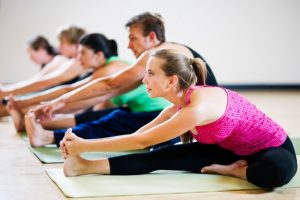
Proper form and technique play a crucial role in preventing injuries during physical exercise. By ensuring correct posture and movement patterns, individuals can reduce the risk of strains, sprains, and other common workout-related injuries.
Significance of Proper Form and Technique
- Focus on maintaining a neutral spine during exercises like squats, deadlifts, and overhead presses to avoid back injuries.
- Engage core muscles to stabilize the body and protect the lower back during movements.
- Avoid jerky or sudden movements that can strain muscles and joints.
Warm-up and Cool-down Exercises
- Warm-up: Perform dynamic stretches like leg swings, arm circles, and hip rotations to increase blood flow and loosen up muscles before intense workouts.
- Cool-down: Incorporate static stretches to improve flexibility and reduce muscle soreness post-exercise. Focus on areas worked during the workout.
Gradual Intensity Increase and Overtraining
- Gradually increase the intensity of workouts to give the body time to adapt and prevent sudden overexertion.
- Listen to your body’s signals and avoid pushing through pain or fatigue, as it can lead to overtraining and increased injury risk.
- Include rest days in your training schedule to allow for proper recovery and muscle repair.
Adequate Hydration
Proper hydration plays a crucial role in preventing muscle cramps and injuries during physical fitness activities. Dehydration can lead to decreased performance, muscle fatigue, and an increased risk of injuries. It is important to maintain adequate fluid intake before, during, and after workouts to support optimal performance and prevent dehydration-related issues.
Guidelines for Hydration
- Before Exercise: Drink about 17-20 ounces of water 2-3 hours before starting your workout to ensure proper hydration levels.
- During Exercise: Consume 7-10 ounces of water every 10-20 minutes during your workout to replace fluids lost through sweat and maintain hydration.
- After Exercise: Rehydrate by drinking 16-24 ounces of water for every pound of body weight lost during the workout to replenish fluids and aid in recovery.
Signs of Dehydration
- Thirst
- Dry mouth and tongue
- Dark yellow urine
- Headache
- Dizziness or lightheadedness
Remember, staying adequately hydrated is essential for peak performance and injury prevention during physical fitness training.
Regular Exercise
Regular exercise plays a crucial role in strengthening muscles and reducing the likelihood of injuries during physical fitness training. By engaging in consistent exercise routines, individuals can improve their overall fitness levels, enhance flexibility, and boost mobility, all of which contribute to injury prevention.
Types of Exercises for Injury Prevention
- Stretching exercises: Incorporating dynamic stretches before a workout and static stretches after can help improve flexibility and reduce the risk of muscle strains and tears.
- Strength training: By building muscle strength, individuals can better support their joints and bones, reducing the risk of injuries such as sprains and fractures.
- Balance exercises: Working on balance and stability can help prevent falls and other injuries, especially in older adults.
- Cardiovascular exercises: Aerobic activities like running, swimming, or cycling can improve heart health and overall endurance, reducing the risk of cardiovascular issues during workouts.
Importance of Rest Days
Rest days are essential in any workout routine to allow the body to recover and repair itself. Overtraining without adequate rest can lead to muscle fatigue, decreased performance, and an increased risk of injuries. By incorporating rest days into a fitness regimen, individuals give their muscles time to heal, which is crucial for injury prevention in the long run.
Healthy Lifestyle
Adopting a healthy lifestyle overall plays a crucial role in injury prevention during physical fitness training. By making positive choices in various aspects of life, individuals can reduce the risk of injuries and enhance their overall well-being.
Incorporating Physical Activity into Daily Routines
One effective way to maintain fitness and prevent injuries is to incorporate physical activity into daily routines. This can be achieved by taking the stairs instead of the elevator, going for a walk during lunch breaks, or engaging in active hobbies like gardening or dancing.
Small changes like these can add up to significant health benefits over time.
Impact of Smoking, Excessive Alcohol Consumption, and Poor Lifestyle Choices
Smoking, excessive alcohol consumption, and poor lifestyle choices can significantly increase the risk of injuries during exercise. Smoking restricts blood flow and oxygen delivery to muscles, impairing performance and recovery. Excessive alcohol consumption can affect coordination, balance, and judgment, leading to an increased risk of accidents and injuries.
Poor lifestyle choices like inadequate sleep, unhealthy eating habits, and high stress levels can also weaken the body’s resilience and increase vulnerability to injuries.
Preventive Care
Regular check-ups and screenings play a crucial role in preventing underlying health conditions that could lead to injuries during physical fitness training. These routine visits help identify any potential issues early on, allowing for proper management and prevention strategies to be implemented.
Importance of Regular Check-ups and Screenings
Regular health check-ups and screenings are essential to monitor your overall well-being and detect any underlying health conditions that could impact your training. By identifying and addressing these issues early, you can prevent them from escalating and causing injuries during physical activities.
Injury Prevention Strategies
- Wearing proper footwear: Investing in high-quality shoes designed for your specific type of workout can help prevent injuries related to improper footwear.
- Using protective gear: Depending on the type of exercise you engage in, wearing protective gear such as helmets, knee pads, or braces can reduce the risk of injuries.
Role of Physical Therapy and Injury Prevention Programs
Physical therapy and injury prevention programs are valuable resources in minimizing the risk of injuries during physical fitness training. These programs focus on strengthening muscles, improving flexibility, and correcting movement patterns to prevent injuries before they occur. By incorporating physical therapy and injury prevention techniques into your routine, you can enhance your overall fitness and reduce the likelihood of getting hurt.
Proper Nutrition
Proper nutrition plays a crucial role in supporting muscle recovery and preventing injuries during physical fitness activities. By fueling the body with the right nutrients, individuals can optimize their performance and reduce the risk of strains, sprains, and other common injuries.
Pre-Workout Meals
Before a workout, it is essential to consume a balanced meal that provides the necessary energy and nutrients for exercise. Examples of pre-workout meals include:
- A banana with almond butter
- Greek yogurt with berries and granola
- Oatmeal with sliced almonds and honey
Post-Workout Meals
After a workout, the body needs replenishment to aid in muscle recovery and repair. Optimal post-workout meals include:
- Grilled chicken with quinoa and roasted vegetables
- Salmon with sweet potato and steamed broccoli
- Protein smoothie with spinach, banana, and protein powder
Impact of Inadequate Nutrition
Inadequate nutrition can have a negative impact on energy levels, muscle function, and susceptibility to injuries during training. Without proper fuel and nutrients, the body may experience:
- Decreased energy levels leading to fatigue and reduced performance
- Impaired muscle function and recovery, increasing the risk of strains and sprains
- Weakened immune system, making the body more susceptible to injuries and illnesses
Quality Sleep
Quality sleep plays a crucial role in muscle recovery, repair, and injury prevention during physical fitness training. When we sleep, our body goes into repair mode, helping to rebuild and strengthen muscle tissues that may have been strained during workouts.
Adequate rest also allows for the release of growth hormones, which are essential for muscle growth and repair.
Tips for Improving Sleep Quality
- Avoid caffeine and heavy meals close to bedtime to ensure better sleep quality.
- Create a relaxing bedtime routine to signal to your body that it’s time to wind down.
- Keep your bedroom dark, quiet, and at a comfortable temperature to promote restful sleep.
- Establish a consistent sleep schedule by going to bed and waking up at the same time every day, even on weekends.
Connection Between Sleep Deprivation and Increased Injury Risk, How to avoid common injuries during physical fitness training
Sleep deprivation can lead to fatigue, which impairs cognitive function, coordination, and reaction time. This can increase the risk of injuries during physical fitness training, as your body may not be able to perform at its best. Lack of sleep also hinders muscle recovery and repair, making it harder for your body to bounce back from intense workouts.
Prioritizing quality sleep is essential for overall health and injury prevention in fitness routines.
Cardio Health
Cardiovascular exercise plays a crucial role in improving heart health and reducing the risk of injuries during physical fitness training. By engaging in cardio workouts, individuals can enhance their endurance, stamina, and overall cardiovascular fitness, leading to a lower chance of sustaining injuries.
Benefits of Cardio Workouts
- Improved heart health and circulation
- Enhanced lung capacity and oxygen delivery
- Increased overall energy levels
- Reduced risk of heart disease and other cardiovascular issues
Examples of Cardio Workouts
There are various cardio exercises that can help prevent injuries and boost cardiovascular fitness:
- Running or jogging
- Cycling
- Swimming
- Aerobics classes
- Jump rope
Importance of Monitoring
It is essential to monitor heart rate, breathing, and exertion levels during cardio exercises to prevent overexertion and injuries. Keeping track of these vital signs can help individuals maintain a safe and effective workout routine:
- Check your heart rate to ensure it stays within a healthy range
- Monitor your breathing to ensure proper oxygen intake
- Pay attention to your exertion levels to prevent pushing yourself too hard
Immune Boost

Maintaining a strong immune system is crucial for preventing injuries and promoting recovery during physical fitness training. A robust immune system helps the body fight off infections and reduces the risk of illnesses that could hinder training progress.
Immune-Boosting Foods and Supplements
Eating a balanced diet rich in fruits, vegetables, lean proteins, and whole grains can provide essential nutrients to support immune function. Incorporating foods high in vitamin C, vitamin D, zinc, and antioxidants can help boost the immune system. Additionally, supplements like probiotics, echinacea, and elderberry may offer extra support.
Practices for Immune Health
Engaging in stress-reducing activities such as meditation, yoga, or deep breathing exercises can help lower cortisol levels and improve immune function. Prioritizing quality sleep, maintaining proper hydration, and managing stress through regular exercise can also enhance the body’s ability to fend off illnesses.
Impact of Lifestyle Factors on Immune Function
Stress, poor sleep, inadequate nutrition, and excessive exercise can weaken the immune system, making individuals more susceptible to infections and injuries. Balancing these factors through a healthy lifestyle, proper nutrition, and adequate rest is essential for overall immune health and injury prevention in fitness routines.
Clean Eating: How To Avoid Common Injuries During Physical Fitness Training
Clean eating is a nutritional approach focused on consuming whole, unprocessed foods to support overall health, physical fitness, muscle recovery, and injury prevention. By choosing nutrient-dense foods and avoiding processed ingredients, individuals can optimize their performance, reduce inflammation, and enhance their overall well-being.
Principles of Clean Eating
- Consume Whole Foods: Include a variety of fruits, vegetables, lean proteins, whole grains, and healthy fats in your diet to ensure you are getting essential nutrients.
- Avoid Processed Ingredients: Minimize the intake of foods high in added sugars, trans fats, artificial additives, and preservatives to promote better health outcomes.
- Stay Hydrated: Drink an adequate amount of water throughout the day to support proper digestion, nutrient absorption, and muscle function.
Benefits of Eating Clean
- Maintaining Energy Levels: Clean eating provides a steady source of energy, preventing spikes and crashes that can impact workout performance.
- Reducing Inflammation: Whole foods are rich in antioxidants and anti-inflammatory compounds that help reduce inflammation in the body, supporting recovery and injury prevention.
- Supporting Injury Prevention: By nourishing your body with wholesome, nutrient-rich foods, you can strengthen your immune system, improve muscle recovery, and reduce the risk of injuries during physical fitness training.
Daily Activity
Regular physical activity outside of structured workouts is crucial for maintaining overall fitness and preventing injuries. Incorporating daily movement into your routine can help improve flexibility, strength, and endurance, reducing the risk of strains and sprains.
Ideas for Staying Active
- Take short walks during breaks at work or home to increase blood flow and reduce muscle stiffness.
- Opt for using stairs instead of elevators whenever possible to engage different muscle groups and boost cardiovascular health.
- Participate in recreational activities like cycling, dancing, or swimming to make fitness more enjoyable and sustainable.
Impact of Sedentary Lifestyles
Prolonged periods of sitting or inactivity can lead to muscle tightness, poor posture, and increased susceptibility to injuries during physical training. It can also negatively affect overall health by slowing down metabolism, reducing bone density, and increasing the risk of chronic conditions like obesity and cardiovascular diseases.
Holistic Health
When it comes to injury prevention during physical fitness training, taking a holistic approach to health and wellness is crucial. This involves integrating physical, mental, emotional, and spiritual well-being practices to ensure a balanced and injury-free fitness journey.
Integrating Practices for Holistic Health
To prevent injuries effectively, it is essential to focus on the interconnectedness of various aspects of health. By nurturing physical fitness, mental wellness, emotional stability, and spiritual alignment, individuals can promote resilience, strength, and injury prevention in their fitness routines.
- Physical Fitness: Engaging in regular exercise, maintaining proper form, and listening to your body’s signals can help prevent physical injuries during training.
- Mental Wellness: Practicing mindfulness, stress management techniques, and relaxation exercises can enhance focus and reduce the risk of injuries caused by distractions or mental fatigue.
- Emotional Well-being: Building emotional intelligence, seeking support when needed, and maintaining a positive outlook can contribute to better resilience and injury prevention in fitness activities.
- Spiritual Alignment: Connecting with your inner self, finding purpose and meaning in your fitness journey, and staying grounded can provide the mental strength needed to overcome challenges and prevent injuries.
Mindful Living
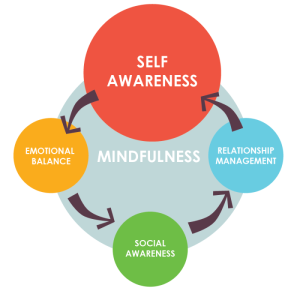
Mindful living is a practice that involves being fully present and aware of your thoughts, feelings, sensations, and surroundings in the present moment. This concept emphasizes focusing on the present without judgment, which can help reduce stress, improve focus, and prevent injuries during physical fitness training.
Mindfulness Techniques
- Meditation: Taking time to meditate daily can help calm the mind, reduce stress, and improve concentration, which in turn can enhance performance and decrease the risk of injuries during workouts.
- Deep Breathing: Deep breathing exercises can help regulate emotions, reduce anxiety, and increase oxygen flow to muscles, promoting better performance and preventing injuries.
- Body Awareness: Being mindful of your body’s sensations, movements, and alignment during exercise can improve form, reduce the risk of overuse injuries, and enhance overall performance.
Impact of Mindfulness on Exercise
Mindfulness can have a significant impact on exercise form, recovery, and injury prevention by fostering a strong mind-body connection and awareness. By staying present and focused during workouts, individuals can better listen to their bodies, adjust movements as needed, and prevent injuries caused by poor form or overexertion.
Emotional Balance
Emotional balance plays a crucial role in managing stress, anxiety, and emotions that can impact the risk of injuries during physical fitness training. When our emotions are not in check, it can lead to poor decision-making, lack of focus, and increased susceptibility to accidents.
Strategies for Cultivating Emotional Resilience
- Practice mindfulness and meditation to stay present and calm in challenging situations.
- Engage in activities that bring you joy and relaxation, such as hobbies or spending time in nature.
- Seek support from friends, family, or a therapist to process and manage difficult emotions effectively.
- Develop a positive self-talk habit to boost self-confidence and reduce negative thoughts.
Connection between Emotional Well-being and Injury Prevention
- Emotional well-being is closely linked to motivation, as feeling positive and empowered can drive you to maintain a consistent fitness routine and follow safety precautions.
- By staying emotionally balanced, you are more likely to listen to your body’s signals and avoid overexertion or reckless behavior that could lead to injuries.
- Positive emotions can enhance your resilience to setbacks and challenges, helping you bounce back stronger and continue your fitness journey with determination.
Health Education
Health education plays a crucial role in empowering individuals to make informed decisions about injury prevention and overall well-being. By providing knowledge and resources, health education enables people to understand the importance of safe exercise practices, injury prevention strategies, and healthy lifestyle choices.
Role of Health Education
Health education equips individuals with the necessary information and skills to prioritize their well-being and avoid common injuries during physical fitness training. By educating people on the benefits of proper form, technique, and workout routines, health education helps reduce the risk of injuries and promotes a safer approach to fitness.
Resources and Information Sources
- Online courses and workshops focusing on injury prevention in sports and exercise
- Health and fitness websites offering tips and guidelines for safe physical activity
- Community health centers providing educational materials on healthy living and fitness
- Professional trainers and coaches offering personalized guidance on injury-free training
Benefits of Continuous Learning
Continuous learning through health education enables individuals to stay updated on the latest trends, research, and best practices in fitness and wellness. By investing in self-education and staying informed about health topics, individuals can make more informed decisions, leading to a healthier and injury-free lifestyle.
Self-Care
Self-care is a crucial concept in maintaining overall well-being, encompassing physical, mental, and emotional aspects. By prioritizing self-care, individuals can prevent injuries during physical fitness training and enhance their resilience.
Relaxation Techniques
- Engaging in deep breathing exercises can help reduce stress levels and promote relaxation.
- Practicing mindfulness through meditation can improve focus and emotional balance.
- Yoga and stretching routines can release tension in the body and prevent muscle strains.
Hobbies for Self-Care
- Pursuing hobbies such as painting, gardening, or playing musical instruments can offer a creative outlet and reduce stress.
- Outdoor activities like hiking or cycling can provide a refreshing break from routine and boost mental health.
- Reading books or listening to music can be therapeutic and help in relaxation.
Self-Reflection Practices
- Journaling thoughts and emotions can enhance self-awareness and aid in processing challenging experiences.
- Setting personal goals and reflecting on achievements can boost self-confidence and motivation.
- Practicing gratitude by acknowledging positive aspects of life can improve overall well-being.
Impact of Self-Care
Self-care plays a vital role in stress management, enabling individuals to cope with daily challenges effectively. By incorporating self-care practices, individuals can enhance their recovery process after physical fitness training, reducing the risk of burnout and injuries. Overall, self-care contributes to improved mental health, emotional balance, and physical well-being, creating a foundation for a healthy and active lifestyle.
Chronic Disease
Chronic diseases, such as diabetes, heart disease, and arthritis, can impact an individual’s overall health and increase the risk of injuries during physical fitness training. These underlying health conditions may affect one’s ability to exercise safely and effectively, making it crucial to modify workouts and take necessary precautions.
Exercise Modifications for Individuals with Chronic Diseases
- Avoid high-impact exercises that may put excessive strain on joints for individuals with arthritis.
- Monitor blood sugar levels closely and adjust workout intensity accordingly for individuals with diabetes.
- Incorporate regular breaks and hydration during workouts to prevent cardiovascular complications for individuals with heart disease.
Precautions and Considerations
- Consult with a healthcare provider before starting any exercise program to ensure safety and appropriateness.
- Listen to your body and stop any activity that causes pain or discomfort.
- Gradually progress in intensity and duration to avoid overexertion and potential injuries.
Role of Medical Supervision and Personalized Fitness Plans
- Working with a healthcare professional or certified trainer can help in creating a customized fitness plan tailored to individual needs and limitations.
- Regular monitoring and adjustments to the exercise routine can ensure safe progression and optimal results.
- Adaptive strategies, such as using assistive devices or modifying exercises, can help individuals with chronic conditions stay active while minimizing the risk of injuries.
Last Word
In conclusion, prioritizing injury prevention through proper nutrition, mental wellness, physical fitness, and overall health practices is crucial for a successful and sustainable fitness journey.
FAQ Summary
How important is a balanced diet in preventing injuries during physical fitness training?
A balanced diet plays a key role in providing the necessary nutrients for muscle recovery and injury prevention.
Why is mental wellness essential for avoiding common injuries in fitness training?
Mental wellness helps maintain a positive mindset, reducing stress and minimizing the risk of injuries during workouts.
What are some signs of dehydration that can impact physical performance?
Signs of dehydration include fatigue, dizziness, and decreased exercise capacity, leading to an increased risk of injuries.
How does proper form and technique contribute to injury prevention in physical exercise?
Proper form and technique reduce strain on muscles and joints, decreasing the likelihood of injuries during workouts.