Importance of flexibility exercises for overall fitness: Enhancing Health and Wellness Beginning with Importance of flexibility exercises for overall fitness, the narrative unfolds in a compelling and distinctive manner, drawing readers into a story that promises to be both engaging and uniquely memorable.
Flexibility is a crucial component of overall fitness, impacting various aspects of health and well-being. This article explores the significance of flexibility exercises in improving physical performance, preventing injuries, and enhancing mental wellness.
Importance of Flexibility Exercises for Overall Fitness
Flexibility plays a crucial role in enhancing overall fitness by improving the range of motion in joints and muscles. It allows for better performance during physical activities and reduces the risk of injuries.
Benefits of Flexibility Exercises
- Improved Range of Motion: Flexibility exercises help to increase the flexibility and elasticity of muscles, allowing for a greater range of motion in joints.
- Enhanced Performance: By improving flexibility, individuals can perform exercises and daily activities with greater ease and efficiency.
- Reduced Risk of Injuries: Flexible muscles and joints are less prone to strains, sprains, and other injuries during physical activities.
- Improved Posture: Flexibility exercises can help to correct posture imbalances and reduce the risk of back pain and other musculoskeletal issues.
Contribution to Injury Prevention
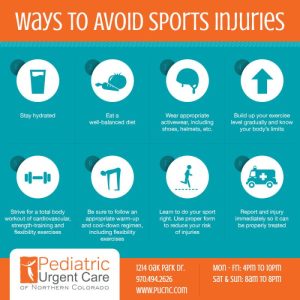
Flexibility exercises play a crucial role in injury prevention during physical activities by preparing the muscles and joints for movement. They help to warm up the body, increase blood flow to the muscles, and improve overall flexibility, reducing the likelihood of strains, sprains, and other injuries.
Balanced Diet
Eating a balanced diet is crucial for supporting flexibility exercises and achieving optimal fitness. A well-rounded diet provides the necessary nutrients to keep muscles and joints healthy, which is essential for maintaining flexibility.
Nutrient-Rich Foods for Flexibility
A balanced diet should include a variety of foods that are rich in essential nutrients to support flexibility and overall health. Some examples of nutrient-rich foods that can help improve flexibility include:
- Leafy green vegetables like spinach and kale, which are high in vitamins A, C, and K, as well as minerals like calcium and magnesium.
- Fatty fish such as salmon and mackerel, which are rich in omega-3 fatty acids that help reduce inflammation and support joint health.
- Fruits like berries and citrus fruits, which provide antioxidants and vitamins that promote muscle recovery and flexibility.
- Nuts and seeds like almonds and chia seeds, which are packed with healthy fats, protein, and minerals that support muscle function and flexibility.
Importance of Macronutrients and Micronutrients
Macronutrients, such as carbohydrates, proteins, and fats, play a crucial role in providing energy and building blocks for muscle repair and growth. Proteins, in particular, are essential for maintaining muscle mass and flexibility. Micronutrients, including vitamins and minerals, are also important for various cellular functions that contribute to flexibility and overall health.
Ensuring a proper balance of macronutrients and micronutrients in your diet is key to supporting flexibility exercises and maximizing your fitness potential.
Mental Wellness
Flexibility exercises not only benefit physical health but also play a crucial role in enhancing mental well-being.
Connection between Flexibility Exercises and Mental Well-being
Flexibility training involves stretching muscles and improving range of motion, which can help release tension and stress from the body. As a result, it promotes relaxation and a sense of calmness, leading to improved mental clarity and focus.
Stress Reduction and Mood Improvement
- Regular flexibility exercises can help reduce stress levels by releasing endorphins, the body’s natural mood boosters.
- Stretching and flexibility training can also improve blood circulation, delivering more oxygen and nutrients to the brain, which can positively impact mood and reduce symptoms of anxiety and depression.
- Engaging in flexibility exercises, such as yoga or Pilates, can provide a meditative experience, promoting mindfulness and reducing negative thought patterns.
Impact of Mental Wellness on Physical Fitness
Mental wellness is closely linked to physical fitness as a healthy mind contributes to better workout performance and overall well-being. When individuals are in a positive mental state, they are more likely to stay motivated, focused, and consistent with their exercise routines, leading to improved physical fitness outcomes.
Physical Fitness
Flexibility exercises play a crucial role in enhancing physical fitness levels by improving range of motion, reducing the risk of injuries, and promoting better posture and body alignment.
Benefits of Flexibility Training
- Increased Range of Motion: Flexibility exercises help to improve the flexibility of muscles and joints, allowing for a greater range of motion during physical activities.
- Reduced Risk of Injuries: By increasing flexibility, the muscles become more supple and resilient, reducing the likelihood of strains, sprains, and other injuries.
- Better Posture and Alignment: Flexibility exercises can correct muscle imbalances and alignment issues, leading to improved posture and overall body mechanics.
- Enhanced Performance: Improved flexibility can lead to enhanced performance in various physical activities, such as sports, dance, and strength training.
Examples of Flexibility Exercises
There are various flexibility exercises that target different muscle groups in the body. Some examples include:
- Hamstring Stretch:Sit on the floor with one leg extended and the other bent. Reach towards the toes of the extended leg to stretch the hamstrings.
- Shoulder Stretch:Bring one arm across the body and use the opposite hand to gently press the arm closer to the chest to stretch the shoulder muscles.
- Quad Stretch:Stand on one leg and grab the ankle of the other leg, pulling it towards the glutes to stretch the quadriceps.
- Spinal Twist:Sit on the floor with legs extended, twist the torso to one side, placing the opposite elbow on the outside of the knee to stretch the spine.
Adequate Hydration
Hydration plays a crucial role in maintaining flexibility and overall fitness levels. Staying properly hydrated is essential for optimal performance during flexibility exercises.
Importance of Hydration
Proper hydration is key to maintaining joint flexibility, muscle function, and overall physical performance. Dehydration can lead to muscle cramps, decreased range of motion, and reduced exercise endurance.
- Drink water before, during, and after flexibility workouts to ensure your muscles and joints are properly hydrated.
- Monitor your urine color – pale yellow indicates adequate hydration, while dark yellow may signal dehydration.
- Consider consuming electrolyte-rich drinks or foods to replenish lost fluids and minerals during intense flexibility training sessions.
- Avoid excessive intake of caffeinated or sugary beverages, as they can contribute to dehydration.
Regular Exercise
Regular exercise plays a crucial role in maintaining overall fitness, including flexibility, strength, and endurance. Consistency in flexibility training is essential to see improvements in these areas over time. By incorporating flexibility exercises into your weekly routine, you can enhance your overall physical performance and reduce the risk of injuries.
Sample Weekly Exercise Routine
- Monday: 30 minutes of cardio (running, cycling, or swimming) followed by 15 minutes of dynamic stretching
- Tuesday: Strength training focusing on major muscle groups (squats, lunges, push-ups) with 10 minutes of static stretching
- Wednesday: Rest day or light yoga session for flexibility
- Thursday: Interval training or HIIT workout for 20 minutes followed by 10 minutes of foam rolling
- Friday: Pilates or core strengthening exercises with 15 minutes of yoga poses for flexibility
- Saturday: Outdoor activity like hiking or biking with a cool-down stretching routine
- Sunday: Rest day with a gentle yoga or stretching session to relax muscles
Impact of Regular Exercise
Regular exercise not only improves flexibility but also enhances strength and endurance. By engaging in consistent physical activity, you can increase your range of motion, reduce muscle stiffness, and improve joint health. Additionally, regular exercise helps build muscular strength and endurance, making everyday tasks easier and reducing the risk of chronic conditions.
Prioritizing flexibility exercises in your routine can lead to better overall fitness and a healthier lifestyle.
Healthy Lifestyle
Incorporating flexibility exercises into your routine is a key component of living a healthy lifestyle. Flexibility training helps improve range of motion, reduce the risk of injuries, and enhance overall physical well-being. By adding flexibility exercises to your daily regimen, you are taking proactive steps towards maintaining a healthy body and mind.
Benefits of Combining Flexibility Training with Other Health Practices
- Enhanced overall fitness levels
- Improved posture and alignment
- Reduced muscle tension and soreness
- Increased relaxation and stress relief
- Boosted athletic performance
Tips for Integrating Flexibility Exercises into Daily Routine
- Start your day with a short stretching routine
- Incorporate stretching breaks throughout the day
- Combine flexibility exercises with other forms of exercise, such as yoga or Pilates
- Set specific goals for improving flexibility and track your progress
- Experiment with different types of stretching to find what works best for you
Nutrient-Rich
Having a diet rich in nutrients plays a crucial role in supporting flexibility and muscle function. Nutrient-rich foods provide essential vitamins, minerals, and antioxidants that are vital for overall health and wellness.
Specific Nutrients for Flexibility and Muscle Function
- Omega-3 fatty acids: Found in fatty fish, flaxseeds, and walnuts, omega-3s help reduce inflammation in the body, promoting flexibility and joint health.
- Vitamin D: Important for muscle function, vitamin D can be obtained from sunlight exposure, fortified foods, and supplements.
- Calcium: Found in dairy products, leafy greens, and fortified foods, calcium supports muscle contraction and flexibility.
- Magnesium: Helps relax muscles and prevent cramping, magnesium-rich foods include nuts, seeds, and whole grains.
Enhancing Benefits of Flexibility Exercises with Nutrient-Rich Diet
A diet rich in nutrients can enhance the benefits of flexibility exercises by providing the necessary building blocks for muscle repair and recovery. Nutrients like protein, antioxidants, and vitamins help support the body’s ability to adapt to exercise stress and improve overall flexibility.
Stress Management
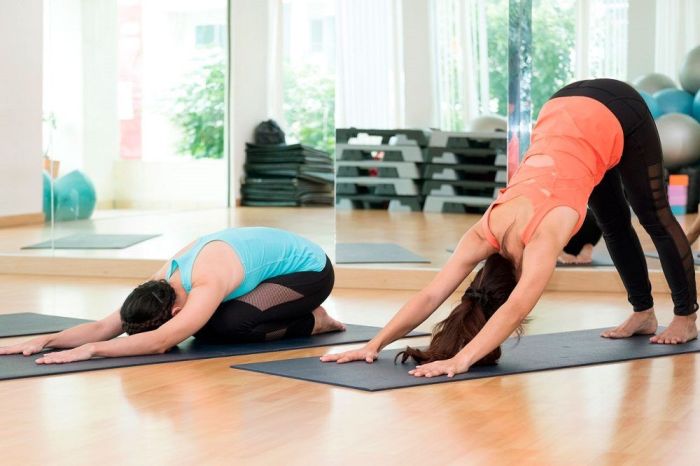
Flexibility exercises play a crucial role in stress management by helping individuals unwind, relax, and release tension in both the body and mind. These exercises promote mindfulness and focus on the present moment, allowing individuals to let go of stressors and worries.
Physiological Effects of Flexibility Training on Stress Levels
- Flexibility exercises help reduce muscle tension, which can be a physical manifestation of stress in the body.
- Stretching promotes better blood circulation, which can help alleviate stress and anxiety.
- Regular flexibility training can improve overall mood and mental well-being, reducing feelings of stress and tension.
Techniques for Using Flexibility Workouts as a Form of Stress Relief
- Practice deep breathing while stretching to increase relaxation and reduce stress levels.
- Combine flexibility exercises with meditation or soothing music to create a calming environment.
- Focus on the sensations in your body during stretching to stay present and mindful, letting go of stressful thoughts.
- Engage in flexibility routines that target areas where you hold tension, such as the neck, shoulders, and lower back, to release stress buildup.
Preventive Care
Flexibility exercises are crucial in preventive healthcare as they contribute significantly to reducing the risk of injuries and chronic conditions. By improving the range of motion in joints and muscles, flexibility training helps maintain overall physical health and prevents potential issues that may arise due to stiffness or immobility.
Role of Flexibility in Preventing Injuries and Chronic Conditions
- Flexibility exercises help enhance muscle elasticity, reducing the likelihood of strains and sprains during physical activities.
- Improved flexibility can also alleviate muscle imbalances, which can lead to poor posture and increased risk of musculoskeletal injuries.
- Regular stretching routines can prevent tightness in muscles and joints, lowering the chances of overuse injuries over time.
Examples of Preventive Care Measures with Flexibility Training
- Integrating dynamic stretching as part of the warm-up routine before engaging in any form of physical exercise.
- Participating in yoga or Pilates classes to enhance flexibility, balance, and overall body awareness.
- Incorporating static stretches into daily routines to maintain muscle flexibility and joint mobility.
Proper Nutrition
Proper nutrition plays a crucial role in supporting flexibility exercises by providing the necessary fuel and building blocks for muscle repair and growth. In addition to enhancing overall fitness, a balanced diet can significantly impact flexibility and mobility.
Role of Hydration and Nutrient Timing
Proper hydration is key to optimizing flexibility workouts as it helps maintain muscle function and prevent cramping. Adequate intake of water before, during, and after exercise can improve performance and recovery. Nutrient timing, such as consuming protein and carbohydrates post-workout, can also aid in muscle recovery and flexibility improvements.
- Ensure to drink enough water throughout the day to stay hydrated.
- Consume a balanced meal with a mix of protein, carbohydrates, and healthy fats after flexibility training sessions.
- Include foods rich in vitamins and minerals, such as fruits and vegetables, to support overall health and flexibility.
Quality Sleep
Quality sleep plays a crucial role in maintaining overall fitness, including flexibility. Adequate rest is essential for muscle recovery and flexibility improvement.
Connection between Quality Sleep and Flexibility
Getting enough quality sleep is directly linked to flexibility as it allows the muscles to relax and recover properly. During deep sleep stages, the body repairs and rebuilds tissues, including muscles, which can enhance flexibility and range of motion.
Tips for Improving Sleep Quality
- Avoid caffeine and heavy meals close to bedtime to promote better sleep quality.
- Establish a relaxing bedtime routine to signal your body that it’s time to wind down.
- Keep your bedroom dark, quiet, and at a comfortable temperature to create a sleep-conducive environment.
- Avoid screen time before bed as the blue light can disrupt your sleep cycle.
- Practice relaxation techniques such as deep breathing or meditation to reduce stress and promote better sleep.
Cardio Health
Flexibility exercises play a crucial role in promoting cardiovascular health by improving circulation, reducing the risk of heart disease, and enhancing overall cardiovascular function.
Relationship Between Flexibility Exercises and Cardiovascular Health
Flexibility training complements cardiovascular workouts by increasing blood flow to the muscles, reducing stiffness, and improving range of motion. This combination helps to enhance the efficiency of the heart and lungs, leading to better endurance and performance.
Examples of Flexibility Exercises for Cardiovascular Fitness
- Yoga: Various yoga poses not only improve flexibility but also engage the cardiovascular system through deep breathing and flowing movements.
- Pilates: Pilates exercises focus on core strength and flexibility, which can also boost cardiovascular fitness when performed in a continuous, controlled manner.
- Dynamic Stretching: Dynamic stretching routines involve moving parts of your body gradually through a full range of motion, promoting flexibility and engaging the cardiovascular system.
Immune Boost
Regular flexibility exercises play a crucial role in supporting immune function. By incorporating flexibility training into your fitness routine, you can positively impact your immune system health and overall well-being.
Impact of Flexibility Exercises on Immune System Health
- Flexibility exercises help improve blood circulation, which allows immune cells to travel more efficiently throughout the body to fight off infections and illnesses.
- Reducing muscle tension through flexibility training can lower stress levels and decrease the release of stress hormones that can weaken the immune system.
- Enhanced flexibility can also improve lymphatic drainage, helping to remove toxins and waste products from the body, reducing the burden on the immune system.
- Regular stretching and flexibility movements can promote relaxation and better sleep, which are essential for a strong immune response.
Tips for Boosting Immunity with Flexibility Exercises
- Include dynamic stretches in your warm-up routine before engaging in any physical activity to prepare your muscles and joints for movement.
- Practice yoga or Pilates regularly to improve flexibility, strength, and relaxation, all of which contribute to a healthier immune system.
- Focus on stretching major muscle groups at least 2-3 times a week to maintain flexibility and support immune function.
- Combine flexibility exercises with other forms of exercise, such as cardio and strength training, for a well-rounded fitness regimen that benefits overall health and immunity.
Positive Mindset
Having a positive mindset plays a crucial role in approaching flexibility exercises and overall fitness goals. Your mental attitude can greatly impact your flexibility gains and progress in achieving optimal physical health.
Strategies for Cultivating a Positive Mindset through Flexibility Training
- Practice mindfulness: Focus on the present moment during your flexibility exercises, letting go of any negative thoughts or distractions.
- Affirmations: Repeat positive affirmations to yourself during your workouts to boost confidence and motivation.
- Celebrate progress: Acknowledge and celebrate even small improvements in your flexibility to stay motivated and positive.
- Visualize success: Picture yourself achieving your flexibility goals and visualize how it will positively impact your overall fitness.
- Stay consistent: Consistent flexibility training can help build mental resilience and reinforce a positive mindset over time.
Clean Eating
When it comes to flexibility exercises, clean eating plays a crucial role in supporting overall health and maximizing the benefits of flexibility training. Clean eating involves consuming whole, nutrient-dense foods while avoiding processed and unhealthy options.
Benefits of Clean Eating for Flexibility Training
Embracing a clean diet can greatly enhance the effects of flexibility exercises by providing the body with the necessary nutrients to support muscle function, recovery, and overall flexibility. A diet rich in fruits, vegetables, lean proteins, whole grains, and healthy fats can aid in reducing inflammation, improving joint mobility, and enhancing overall performance during flexibility workouts.
- Include plenty of colorful fruits and vegetables in your meals to provide essential vitamins, minerals, and antioxidants that support muscle health and recovery.
- Opt for lean protein sources like chicken, fish, tofu, and legumes to promote muscle repair and growth, crucial for maintaining flexibility and strength.
- Incorporate whole grains such as quinoa, brown rice, and oats to sustain energy levels and support muscle function during flexibility exercises.
- Choose healthy fats like avocados, nuts, seeds, and olive oil to reduce inflammation, lubricate joints, and improve flexibility.
- Avoid processed foods, sugary snacks, and excessive sodium intake, as they can hinder flexibility progress and overall health.
Daily Activity
Regular physical activity is crucial for maintaining flexibility in the body. By incorporating movement throughout the day, you can significantly improve your flexibility levels and prevent stiffness or muscle tightness. Adding short flexibility exercises to your daily routine can make a big difference in your overall fitness and well-being.
Tips for Adding Flexibility Exercises to Daily Routines
- Start your day with a quick stretching routine to warm up your muscles and joints.
- Take short breaks throughout the day to stretch and move around, especially if you have a sedentary job.
- Incorporate yoga or Pilates sessions into your weekly schedule to improve flexibility and strengthen your muscles.
- Focus on areas of the body that are often tight, such as the hips, hamstrings, and shoulders.
- Practice deep breathing exercises during your flexibility routine to enhance relaxation and reduce stress.
Holistic Health
Flexibility exercises play a crucial role in promoting holistic health by addressing various aspects of well-being. When we talk about holistic health, we are referring to the interconnectedness of physical, mental, emotional, and spiritual wellness. Flexibility training contributes to this approach by improving mobility, reducing the risk of injuries, and enhancing overall quality of life.
Interconnectedness of Flexibility, Nutrition, Mental Wellness, and Physical Fitness
Flexibility, nutrition, mental wellness, and physical fitness are all interconnected components of holistic health. Proper nutrition provides the energy and nutrients needed for flexibility exercises and overall physical fitness. Mental wellness plays a significant role in motivation and consistency in maintaining a flexible exercise routine.
Physical fitness, including strength and cardiovascular health, complements flexibility training by supporting joint mobility and muscle flexibility.
Optimizing Benefits of Flexibility Training through Holistic Health
By focusing on holistic health, individuals can optimize the benefits of flexibility training. A balanced diet rich in nutrients supports muscle recovery and flexibility. Mental wellness practices such as mindfulness and stress management can enhance the mind-body connection during flexibility exercises.
Physical fitness activities beyond flexibility training, such as strength training and cardiovascular exercises, create a well-rounded approach to overall health and flexibility.
Mindful Living: Importance Of Flexibility Exercises For Overall Fitness
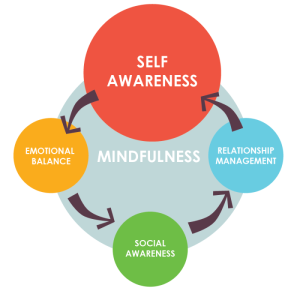
Mindful living involves being fully present and aware of your thoughts, feelings, and surroundings. When it comes to flexibility exercises and overall fitness, incorporating mindfulness can significantly enhance the benefits of your workout routine.Being present and focused during flexibility workouts allows you to connect with your body on a deeper level.
This awareness can help improve your form, prevent injuries, and maximize the effectiveness of each stretch. Mindfulness also promotes relaxation, reduces stress, and enhances overall well-being, making your fitness journey more enjoyable and sustainable.
Benefits of Mindful Living in Flexibility Training
- Improved mind-body connection
- Enhanced focus and concentration
- Reduced stress and anxiety levels
- Increased flexibility and range of motion
- Enhanced relaxation and overall well-being
Emotional Balance
Maintaining emotional balance is crucial for achieving flexibility and fitness goals. Our emotions can greatly impact our flexibility performance and overall motivation to engage in physical activities. When we are stressed, anxious, or feeling down, it can hinder our flexibility, making it harder to reach our fitness objectives.
Impact of Emotional Balance on Flexibility and Fitness Goals
Emotional balance plays a key role in our ability to perform flexibility exercises effectively. When we are in a positive emotional state, we are more likely to push ourselves further, leading to improved flexibility and overall fitness. On the other hand, negative emotions can restrict our movements and limit our progress in flexibility training.
Strategies for Maintaining Emotional Balance through Flexibility Exercises
- Practice mindfulness: Engage in deep breathing exercises or meditation before starting flexibility workouts to calm the mind and reduce stress.
- Set realistic goals: Break down your flexibility goals into smaller, achievable targets to prevent feelings of overwhelm and boost motivation.
- Listen to uplifting music: Create a positive and energizing workout playlist to enhance your mood and make flexibility exercises more enjoyable.
- Stay present: Focus on the present moment during flexibility training sessions to prevent your mind from wandering and getting caught up in negative thoughts.
- Seek support: Connect with friends, family, or a fitness coach to share your progress, challenges, and emotions related to flexibility training.
Health Education
Health education plays a crucial role in understanding the importance of flexibility exercises. By educating individuals about flexibility, they can make informed choices that benefit their overall health and fitness.
Importance of Health Education in Flexibility Training
Health education provides individuals with the knowledge and skills necessary to incorporate flexibility exercises into their fitness routine effectively. Understanding the benefits of flexibility, such as improved range of motion, reduced risk of injury, and enhanced performance, can motivate individuals to prioritize flexibility training.
- Flexibility education empowers individuals to tailor their exercise routine to meet their specific needs and goals.
- By learning proper stretching techniques and the science behind flexibility training, individuals can maximize the benefits of their workouts.
- Health education also raises awareness about the importance of incorporating flexibility exercises into a well-rounded fitness program to promote overall health and well-being.
Knowledge about flexibility exercises can lead to better outcomes in terms of physical performance, injury prevention, and overall quality of life.
Resources for Further Learning
For individuals looking to delve deeper into the world of flexibility training, there are various resources available to expand their knowledge and skills:
- Online articles and videos from reputable fitness websites that offer tips and guidance on effective flexibility exercises.
- Books and publications by fitness experts and physiotherapists that provide in-depth information on the science of flexibility and its impact on fitness.
- Certified fitness instructors and personal trainers who can offer personalized guidance and support in incorporating flexibility exercises into a fitness routine.
Self-Care
Self-care is an essential aspect of maintaining overall health and well-being. It involves taking intentional actions to prioritize and nurture your physical, mental, and emotional health. Flexibility exercises play a crucial role in self-care practices as they not only improve physical flexibility but also promote relaxation, reduce stress, and enhance overall quality of life.
Flexibility Exercises as Self-Care
Flexibility exercises, such as yoga or stretching routines, can be a form of self-care as they help release tension in the body, improve posture, and increase blood flow to muscles. Engaging in these exercises regularly can also reduce the risk of injury, improve mobility, and enhance overall physical performance.
By incorporating flexibility training into your self-care routine, you are prioritizing your physical health and well-being.
Importance of Self-Care for Overall Health
Self-care practices are essential for maintaining overall health and fitness. They help reduce burnout, improve resilience, and enhance emotional well-being. By taking time to care for yourself, you are better equipped to handle the daily stressors of life and maintain a healthy work-life balance.
Flexibility exercises as part of self-care contribute to a holistic approach to health, addressing both physical and mental well-being.
Self-Care Tips with Flexibility Training, Importance of flexibility exercises for overall fitness
- Include stretching exercises in your daily routine to improve flexibility and reduce muscle tension.
- Practice deep breathing and relaxation techniques during flexibility exercises to enhance stress relief and promote relaxation.
- Combine mindfulness practices with stretching to connect with your body and mind, fostering a sense of inner calm.
- Set aside dedicated time for self-care activities, including flexibility training, to prioritize your health and well-being.
- Listen to your body and adjust the intensity of flexibility exercises based on your comfort level and physical abilities.
Chronic Disease
Flexibility exercises play a crucial role in managing chronic diseases by improving overall mobility and joint function. These exercises can significantly impact the quality of life for individuals with chronic conditions by reducing pain, stiffness, and enhancing flexibility.
Benefits of Flexibility Exercises for Chronic Disease Management
- Enhanced range of motion: Flexibility exercises help increase the range of motion in joints, which can be beneficial for conditions like arthritis and fibromyalgia.
- Improved circulation: Gentle stretching can improve blood flow to muscles and tissues, promoting healing and reducing inflammation in conditions like diabetes and heart disease.
- Reduced muscle tension: Stretching exercises can help alleviate muscle tightness and reduce the risk of injury for individuals with conditions like back pain and multiple sclerosis.
- Enhanced posture and balance: Flexibility training can improve posture and balance, reducing the risk of falls for individuals with conditions like osteoporosis and Parkinson’s disease.
Last Recap
In conclusion, flexibility exercises are essential for maintaining overall fitness and promoting a healthy lifestyle. By incorporating flexibility training into your routine, you can experience improved flexibility, reduced stress, and enhanced physical fitness. Embrace the benefits of flexibility exercises to optimize your health and well-being.
Frequently Asked Questions
Can flexibility exercises help prevent injuries?
Yes, flexibility exercises can improve joint mobility and muscle flexibility, reducing the risk of injuries during physical activities.
How often should I incorporate flexibility exercises into my fitness routine?
It is recommended to include flexibility exercises at least 2-3 times a week to maintain and improve flexibility levels.
Do flexibility exercises have mental health benefits?
Absolutely, flexibility exercises can help reduce stress, improve mood, and contribute to overall mental well-being.
Are there specific flexibility exercises for different muscle groups?
Yes, there are various flexibility exercises that target specific muscle groups, promoting overall flexibility and mobility.