Best practices for maintaining mental wellness in the workplace involve a combination of lifestyle choices and habits that can significantly impact your overall well-being. Let’s delve into some key strategies to prioritize your mental health amidst a busy work environment.
Balanced Diet
Eating a balanced diet plays a crucial role in maintaining mental wellness in the workplace. The food we consume directly impacts our brain function, mood, and overall mental health.
Nutrient-Rich Foods for Mental Health
A diet rich in nutrients can support optimal brain function and help regulate mood. Some examples of nutrient-rich foods that can benefit mental health include:
- Fatty fish like salmon, which is high in omega-3 fatty acids that are essential for brain health.
- Dark leafy greens such as spinach and kale, which are rich in antioxidants and vitamins that support cognitive function.
- Nuts and seeds, like almonds and chia seeds, which provide healthy fats, protein, and minerals that are beneficial for brain health.
- Whole grains like quinoa and brown rice, which are a good source of complex carbohydrates that can help stabilize mood and energy levels.
- Fruits and vegetables that are colorful and rich in vitamins and minerals, such as berries, oranges, and bell peppers.
The Link Between Diet and Mood Regulation
Our diet not only affects our physical health but also plays a significant role in regulating mood. Consuming a variety of nutrient-dense foods can help maintain stable blood sugar levels, reduce inflammation, and support the production of neurotransmitters that influence mood.
On the other hand, a diet high in processed foods, sugar, and unhealthy fats can contribute to mood swings, fatigue, and cognitive decline. By making mindful choices and prioritizing a balanced diet, we can support our mental wellness and overall well-being in the workplace.
Physical Fitness
Regular physical activity is essential for maintaining mental wellness in the workplace. Exercise has numerous benefits that can positively impact mood, productivity, and overall well-being.
Benefits of Physical Fitness for Mental Wellness
- Improved mood and reduced feelings of anxiety and depression.
- Enhanced focus and cognitive function, leading to better decision-making skills.
- Increased energy levels and overall feelings of well-being.
- Better stress management and improved ability to cope with work pressures.
Effective Ways to Incorporate Exercise into a Busy Work Schedule
- Schedule short workout sessions during lunch breaks or before/after work hours.
- Take the stairs instead of the elevator to add more physical activity to your day.
- Use a standing desk or take short walking breaks throughout the day.
- Participate in fitness classes or group activities to stay motivated and accountable.
How Physical Activity Can Reduce Stress Levels
Regular exercise releases endorphins, also known as “feel-good” hormones, which can help alleviate stress and boost mood. Physical activity serves as a healthy outlet for pent-up emotions and can promote relaxation and mental clarity, ultimately reducing stress levels in the workplace.
Adequate Hydration
Hydration plays a crucial role in promoting mental clarity and focus in the workplace. Dehydration can lead to decreased cognitive function, affecting productivity and overall well-being.
Tips for Staying Hydrated
- Keep a water bottle at your desk as a visual reminder to drink water throughout the day.
- Set specific goals for water intake based on your body weight and activity level.
- Opt for water-rich foods like fruits and vegetables to supplement your hydration.
- Take regular water breaks, especially during busy periods or when working in a dry environment.
Impact of Dehydration on Cognitive Function
Dehydration can impair short-term memory, concentration, and decision-making abilities. It can also lead to increased feelings of stress and fatigue, hindering overall performance at work.
Regular Exercise
Regular exercise plays a crucial role in maintaining mental wellness in the workplace. It has been proven to reduce stress, anxiety, and depression, while also improving mood, cognitive function, and overall well-being. By incorporating physical activity into your daily routine, you can significantly enhance your mental health and productivity at work.
Types of Exercises to Boost Mood and Productivity
- Cardiovascular exercises like running, cycling, or swimming can help release endorphins, also known as “feel-good” hormones, which can uplift your mood and energy levels.
- Strength training exercises such as weightlifting or bodyweight exercises can improve focus, concentration, and self-esteem, leading to better performance in the workplace.
- Yoga and Pilates are effective in reducing stress, promoting relaxation, and enhancing mindfulness, which are essential for mental clarity and emotional balance.
Importance of Consistent Physical Activity for Mental Health
Regular physical activity is vital for maintaining optimal mental health. It not only improves blood circulation and oxygen flow to the brain but also stimulates the growth of new brain cells and connections, which are essential for cognitive function and emotional regulation.
By engaging in consistent exercise, you can boost your resilience to stress, enhance your mood, and increase your overall well-being in the workplace.
Healthy Lifestyle
In the context of maintaining mental wellness at work, a healthy lifestyle involves adopting habits that promote overall well-being, both physically and mentally. This includes making conscious choices to prioritize self-care and engage in activities that support a positive mindset.
Examples of Healthy Habits
- Practicing mindfulness and meditation to reduce stress and improve focus
- Engaging in regular physical activity to boost mood and energy levels
- Eating a balanced diet rich in nutrients to support brain function
- Socializing with colleagues to foster a sense of community and belonging
- Setting boundaries between work and personal life to prevent burnout
Long-Term Benefits
- Improved mental clarity and cognitive function
- Reduced risk of mental health issues such as anxiety and depression
- Increased resilience to stress and challenges in the workplace
- Enhanced overall well-being and job satisfaction
- Greater productivity and effectiveness in work tasks
Stress Management
Stress is a common experience in the workplace that can have negative impacts on both physical and mental health. It is essential to implement effective strategies to manage stress and prevent burnout.
Effective Stress Management Strategies
- Practice mindfulness: Take short breaks throughout the day to focus on your breathing and be present in the moment.
- Set boundaries: Establish clear boundaries between work and personal life to prevent work-related stress from spilling over into your personal time.
- Delegate tasks: Learn to delegate tasks and responsibilities to others to avoid feeling overwhelmed.
- Stay organized: Keep a to-do list and prioritize tasks to maintain a sense of control and reduce stress levels.
Reducing Stress Levels During Busy Workdays
- Take short walks: Incorporate short walks into your day to clear your mind and recharge.
- Practice deep breathing exercises: Take a few minutes to practice deep breathing exercises to reduce stress and promote relaxation.
- Stay hydrated: Drink plenty of water throughout the day to stay hydrated and maintain focus.
- Connect with colleagues: Socialize with colleagues during breaks to build relationships and reduce feelings of isolation.
Importance of Stress Management in Preventing Burnout
Effective stress management is crucial in preventing burnout, which can have serious consequences on both physical and mental health. By implementing strategies to manage stress effectively, individuals can maintain their well-being and productivity in the workplace.
Preventive Care: Best Practices For Maintaining Mental Wellness In The Workplace
Preventive care plays a crucial role in maintaining mental wellness in the workplace. By taking proactive measures to protect and promote mental health, employees can prevent issues before they escalate, leading to a more positive work environment.
Significance of Preventive Care
- Regular mental health check-ups can help identify early signs of stress or anxiety, allowing for timely intervention.
- Creating a supportive and open communication culture within the workplace can encourage employees to seek help when needed.
- Providing resources for mental health education and awareness can empower individuals to take charge of their well-being.
Examples of Preventive Measures
- Practicing mindfulness and meditation techniques to reduce stress and enhance focus.
- Setting boundaries between work and personal life to maintain a healthy work-life balance.
- Taking regular breaks during the workday to prevent burnout and improve productivity.
Proactive Healthcare for a Positive Work Environment
- Encouraging physical exercise and healthy eating habits to boost overall well-being.
- Implementing mental health days or flexible work schedules to accommodate individual needs.
- Offering Employee Assistance Programs (EAPs) for confidential counseling and support services.
Proper Nutrition
Proper nutrition plays a crucial role in supporting mental well-being in the workplace. A balanced diet not only provides the necessary nutrients for optimal brain function but also helps regulate mood and energy levels throughout the day.
Tips for Maintaining a Healthy Diet at Work
- Avoid skipping meals, especially breakfast, as it sets the tone for the rest of the day.
- Include a variety of fruits, vegetables, whole grains, lean proteins, and healthy fats in your meals.
- Stay hydrated by drinking plenty of water throughout the day.
- Avoid excessive caffeine and sugar, as they can lead to energy crashes and mood swings.
- Plan and pack your meals/snacks in advance to avoid unhealthy food choices when pressed for time.
Impact of Nutritional Deficiencies on Mental Health
Nutritional deficiencies can have a significant impact on mental health, leading to symptoms such as fatigue, irritability, poor concentration, and mood disturbances. For example, a lack of essential nutrients like omega-3 fatty acids, vitamins B and D, and minerals like iron and magnesium can contribute to feelings of anxiety and depression.
It is essential to ensure that your diet is well-balanced and provides all the necessary nutrients to support your mental well-being.
Quality Sleep
Getting quality sleep is essential for maintaining mental wellness in the workplace. Lack of adequate rest can lead to decreased cognitive function, mood swings, irritability, and overall reduced productivity. It is crucial to prioritize sleep as part of your overall wellness routine to ensure optimal mental health.
Strategies for Improving Sleep Hygiene
- Avoid caffeine and heavy meals close to bedtime.
- Create a relaxing bedtime routine to signal your body it’s time to sleep.
- Ensure your sleep environment is dark, quiet, and at a comfortable temperature.
- Avoid screens (phones, laptops, TVs) before bedtime as the blue light can disrupt your sleep cycle.
Link Between Sleep Deprivation and Mental Health Issues, Best practices for maintaining mental wellness in the workplace
Sleep deprivation can have a significant impact on mental health, leading to increased stress, anxiety, and depression. When you consistently lack quality sleep, your brain doesn’t have enough time to rest and recharge, affecting your cognitive abilities and emotional regulation.
It is essential to address any sleep issues promptly to prevent them from impacting your mental wellness in the workplace.
Cardio Health
Cardiovascular exercise plays a crucial role in maintaining mental wellness in the workplace. It helps in reducing stress, improving mood, enhancing cognitive function, and boosting overall mental health.
Benefits of Cardiovascular Exercise
- Increases blood flow to the brain, promoting the growth of new brain cells and improving cognitive function.
- Reduces levels of stress hormones, such as cortisol, and stimulates the production of endorphins, which are natural mood lifters.
- Enhances sleep quality, leading to better rest and improved mental clarity during work hours.
Suitable Cardio Workouts
- Brisk walking or jogging during breaks
- Cycling to work or taking the stairs instead of the elevator
- Aerobic classes or dancing sessions after work
Contribution to Overall Well-being
Cardiovascular health is closely linked to overall well-being as it improves heart function, strengthens the immune system, and helps in maintaining a healthy weight. By incorporating cardio exercises into your daily routine, you can experience a significant boost in energy levels, productivity, and mental resilience at work.
Immune Boost
Boosting the immune system can have a significant impact on mental wellness in the workplace. A strong immune system helps the body fight off illnesses and infections, reducing the likelihood of physical health issues that can contribute to stress and anxiety.
When employees are healthy and less prone to sickness, they are more productive, focused, and overall happier in their work environment.
Immune-Boosting Foods and Practices
Eating a balanced diet rich in fruits, vegetables, whole grains, lean proteins, and healthy fats can help boost the immune system. Foods high in vitamin C, vitamin D, zinc, and antioxidants are particularly beneficial for immune health. Additionally, staying hydrated, getting regular exercise, practicing good hygiene, and managing stress are essential practices for supporting a strong immune system.
- Eat citrus fruits like oranges, grapefruits, and lemons for a vitamin C boost.
- Incorporate leafy greens, bell peppers, and berries for antioxidants.
- Include sources of zinc like nuts, seeds, legumes, and whole grains in your diet.
- Get plenty of sunlight or consider a vitamin D supplement, especially in the winter months.
- Avoid excessive alcohol consumption and smoking, as they can weaken the immune system.
Connection between Strong Immune System and Mental Health
A robust immune system not only protects the body from infections but also plays a crucial role in maintaining overall well-being, including mental health. Research has shown that chronic inflammation, often a result of a weakened immune system, is linked to mood disorders like depression and anxiety.
By supporting the immune system through healthy practices and nutrition, individuals can positively impact their mental wellness, leading to improved focus, productivity, and job satisfaction in the workplace.
Positive Mindset
Maintaining a positive mindset is crucial for mental wellness in the workplace. It can help individuals cope with stress, increase resilience, and improve overall well-being. A positive outlook can also enhance productivity and job satisfaction, leading to a more fulfilling work experience.
Techniques for Cultivating a Positive Outlook
- Acknowledge and challenge negative thoughts: Recognize negative thinking patterns and replace them with more positive and realistic perspectives.
- Practice gratitude: Keep a gratitude journal or take time to reflect on things you are thankful for each day.
- Engage in mindfulness and meditation: Mindfulness exercises can help you stay present and reduce stress levels.
- Surround yourself with positivity: Seek support from colleagues, friends, or mentors who uplift and encourage you.
Benefits of a Positive Mindset
- Enhanced resilience: A positive mindset can help individuals bounce back from setbacks and challenges more easily.
- Improved problem-solving: Positive individuals tend to approach problems with a solutions-oriented mindset.
- Increased motivation: Positivity can boost motivation and drive to succeed in tasks and projects.
- Better relationships: A positive outlook can lead to stronger connections with co-workers and foster a more supportive work environment.
Clean Eating
Clean eating involves consuming whole, minimally processed foods and avoiding highly processed foods that are often high in added sugars, unhealthy fats, and artificial ingredients. This approach to eating focuses on nourishing the body with nutrient-dense foods that support overall health and well-being.
Benefits of Clean Eating for Mental Wellness in the Workplace
- Improved Brain Function: Clean eating provides essential nutrients that support cognitive function, memory, and focus, helping employees perform better at work.
- Enhanced Mood: Nutrient-rich foods can help stabilize blood sugar levels and promote the production of feel-good neurotransmitters, such as serotonin, which can positively impact mood and reduce stress.
- Increased Energy Levels: Clean eating can prevent energy crashes caused by processed foods high in sugar and unhealthy fats, leading to sustained energy levels throughout the workday.
Examples of Clean Eating Habits
- Choosing whole foods like fruits, vegetables, whole grains, lean proteins, and healthy fats over packaged and processed foods.
- Limiting added sugars, artificial sweeteners, and unhealthy fats in the diet.
- Meal prepping and planning to ensure access to nutritious meals and snacks during busy workdays.
How Clean Eating Improves Overall Well-being and Focus at Work
Clean eating provides the body with essential nutrients, vitamins, and minerals that support overall health and well-being, including mental wellness. By fueling the body with nutrient-dense foods, employees can experience improved focus, concentration, and productivity at work. Additionally, clean eating can help reduce inflammation in the body, support a healthy gut microbiome, and boost immunity, all of which contribute to better overall well-being and resilience to stress.
Daily Activity
Regular daily activity plays a crucial role in maintaining mental wellness in the workplace. Engaging in movement and physical activity not only boosts mood and energy levels but also helps reduce stress and anxiety, ultimately improving overall mental health.
Simple Ways to Incorporate Movement
- Take short walking breaks throughout the day to stretch your legs and clear your mind.
- Opt for the stairs instead of the elevator to sneak in some extra steps.
- Set reminders to stand up and move around every hour to combat prolonged sitting.
Impact of Sedentary Behavior
Sedentary behavior, such as sitting for long periods without movement, can have negative effects on mental health. It can lead to feelings of fatigue, decreased motivation, and increased stress levels. Incorporating daily activity is essential to counteract the harmful impact of sedentary behavior and promote mental well-being.
Holistic Health
Holistic health is a comprehensive approach that considers the entire person’s physical, mental, emotional, and spiritual well-being. When it comes to mental wellness in the workplace, a holistic approach takes into account various factors that can impact an individual’s overall health and happiness.
Holistic Practices for Mental Well-Being
- Yoga and meditation: These practices help reduce stress, improve focus, and promote relaxation, which can have a positive impact on mental wellness in the workplace.
- Acupuncture and massage therapy: These alternative therapies can help alleviate physical tension and promote emotional balance, contributing to overall well-being.
- Mindfulness exercises: Practicing mindfulness can help individuals stay present, reduce anxiety, and enhance mental clarity, leading to improved mental wellness.
Benefits of a Holistic Approach
A holistic approach to health can address both physical and mental health needs by recognizing the interconnectedness of various aspects of well-being. By taking a holistic approach, individuals can identify underlying issues that may be impacting their mental wellness and work towards achieving balance in all areas of their lives.
Mindful Living
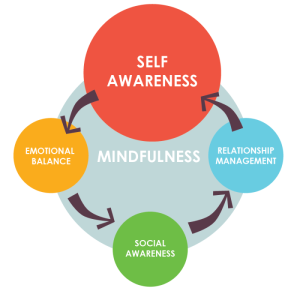
Practicing mindful living can have numerous benefits for mental wellness in the workplace. By being fully present and aware of your thoughts, feelings, and surroundings, employees can reduce stress, improve focus, and enhance overall mental health.
Mindfulness Techniques for Employees
- Engage in deep breathing exercises to calm the mind and body.
- Practice meditation to increase self-awareness and reduce anxiety.
- Take short breaks throughout the day to reset and refocus.
- Acknowledge and accept your thoughts without judgment.
- Focus on the present moment and let go of past or future worries.
Impact of Mindfulness on Mental Health
- Mindfulness can help reduce stress levels by promoting relaxation and inner peace.
- It can improve emotional regulation and resilience in challenging situations.
- Enhanced focus and attention can lead to increased productivity and job satisfaction.
- By cultivating mindfulness, employees can develop a positive outlook on work and life in general.
Emotional Balance
Maintaining emotional balance is crucial for overall mental wellness in the workplace. It involves being aware of and managing your emotions effectively, which can lead to better relationships with colleagues, increased productivity, and a healthier work environment.
Importance of Emotional Balance
Emotional balance allows individuals to navigate through stressful situations with composure, make sound decisions, and maintain a positive outlook. It also helps in reducing conflicts with coworkers, fostering teamwork, and enhancing communication in the workplace.
- Practice mindfulness techniques such as deep breathing, meditation, or yoga to stay grounded and calm in challenging situations.
- Develop self-awareness by recognizing your emotions and understanding their impact on your behavior and interactions with others.
- Seek support from a trusted colleague, mentor, or professional counselor to discuss and process your emotions in a healthy way.
- Set boundaries to protect your emotional well-being, such as taking breaks when needed, delegating tasks, or saying no to additional responsibilities.
Impact of Emotional Intelligence
Emotional intelligence plays a significant role in building strong workplace relationships and enhancing overall productivity. Individuals with high emotional intelligence can effectively manage their own emotions and empathize with others, leading to improved collaboration, conflict resolution, and job satisfaction.
“Emotional intelligence is the key to both personal and professional success, as it enables individuals to understand and regulate their emotions while connecting with others on a deeper level.”
- Enhance your emotional intelligence skills through self-reflection, active listening, and practicing empathy towards your colleagues.
- Utilize emotional intelligence assessments or workshops to identify areas for growth and development in managing emotions effectively.
- Apply emotional intelligence principles in your daily interactions by showing respect, empathy, and understanding towards others’ perspectives and feelings.
- Seek feedback from coworkers or supervisors to gauge your emotional intelligence competencies and make necessary adjustments for personal and professional growth.
Health Education
Health education plays a crucial role in promoting mental wellness in the workplace by providing employees with the knowledge and tools they need to take care of their mental health effectively. It helps in raising awareness, reducing stigma, and encouraging early intervention.
Resources for Educating Employees about Mental Health
- Provide access to online resources, such as webinars, articles, and videos, that cover various mental health topics.
- Offer workshops or training sessions led by mental health professionals to educate employees on coping strategies and stress management techniques.
- Create informational materials like brochures or posters that highlight the importance of mental health and where to seek help.
Benefits of Creating a Culture of Health Literacy
- Increased awareness and understanding of mental health issues leading to early identification and intervention.
- Reduced stigma around mental health, creating a more supportive and inclusive workplace environment.
- Improved overall well-being and productivity among employees who feel empowered to take care of their mental health.
Self-Care
Self-care is the practice of taking intentional actions to preserve and improve one’s own mental, emotional, and physical well-being. In the workplace, self-care plays a crucial role in maintaining mental wellness, reducing stress, and increasing productivity.
Examples of Self-Care Practices
- Engage in mindfulness activities such as meditation or deep breathing exercises to calm the mind and reduce stress levels.
- Take short breaks throughout the workday to stretch, walk, or practice relaxation techniques.
- Set boundaries to maintain a healthy work-life balance and prevent burnout.
- Stay connected with supportive colleagues or friends for emotional support and camaraderie.
- Engage in hobbies or activities outside of work that bring joy and fulfillment.
Importance of Prioritizing Self-Care
Self-care is especially vital in fast-paced work environments where stress levels can be high and demands are constant. Prioritizing self-care not only helps employees recharge and de-stress but also improves their overall well-being and job satisfaction. By taking care of themselves, employees can better cope with work challenges, maintain focus, and prevent mental health issues such as anxiety and depression.
Chronic Disease
Chronic diseases can have a significant impact on mental wellness in the workplace. Dealing with ongoing health issues can lead to increased stress, anxiety, and even depression for employees. The constant management of symptoms and medical appointments can take a toll on one’s mental health, affecting productivity and overall well-being.
Strategies for Managing Mental Health with Chronic Conditions
- Engage in regular communication with healthcare providers to ensure proper treatment and support.
- Practice mindfulness and relaxation techniques to reduce stress and anxiety levels.
- Set realistic goals and priorities to avoid feeling overwhelmed by both work responsibilities and health concerns.
- Seek support from colleagues, friends, or support groups to share experiences and receive encouragement.
- Take breaks when needed and prioritize self-care activities to recharge both physically and mentally.
Supporting Employees with Chronic Diseases in the Workplace
- Implement flexible work arrangements or accommodations to help employees manage their health needs while fulfilling job responsibilities.
- Provide access to resources such as Employee Assistance Programs (EAPs) or mental health services for additional support.
- Educate coworkers and supervisors on chronic diseases to foster understanding and promote a supportive work environment.
- Promote a culture of empathy and inclusivity where employees feel comfortable discussing their health challenges without fear of discrimination.
- Offer wellness programs that cater to the specific needs of employees with chronic conditions, such as exercise classes or nutrition workshops.
Final Summary
By incorporating these best practices into your daily routine, you can create a conducive environment for mental wellness at work. Remember, taking care of your mental health is just as important as your physical health for a productive and fulfilling work life.
Top FAQs
How does diet affect mental wellness at work?
Diet plays a crucial role in mental wellness as nutrient-rich foods can support brain function and mood regulation.
What are some effective stress management strategies for the workplace?
Effective stress management strategies include deep breathing exercises, mindfulness techniques, and setting boundaries to maintain a healthy work-life balance.
Why is quality sleep important for mental wellness in the workplace?
Quality sleep is essential for cognitive function, mood regulation, and overall mental well-being, allowing you to perform at your best during work hours.